
As I stood in my kitchen, the aromatic, earthy scent of spices wafted through the air, taking me on a small culinary journey to Afghanistan. Today, I’m excited to share my rendition of Vegan Afghan Eggplant, also known as Borani Banjan—a dish that celebrates the rich flavors of Middle Eastern cuisine while being entirely plant-based. This recipe transforms simple eggplant into a comforting masterpiece, layered with a spiced tomato sauce and topped with a creamy garlicky yogurt that will make any meal feel a bit more special. Not only is this dish quick to prepare—perfect for busy weeknights—but it’s also a crowd-pleaser that can easily impress both vegans and non-vegans alike. Are you ready to bring some exotic flair to your dinner table? Let’s dive into the details!
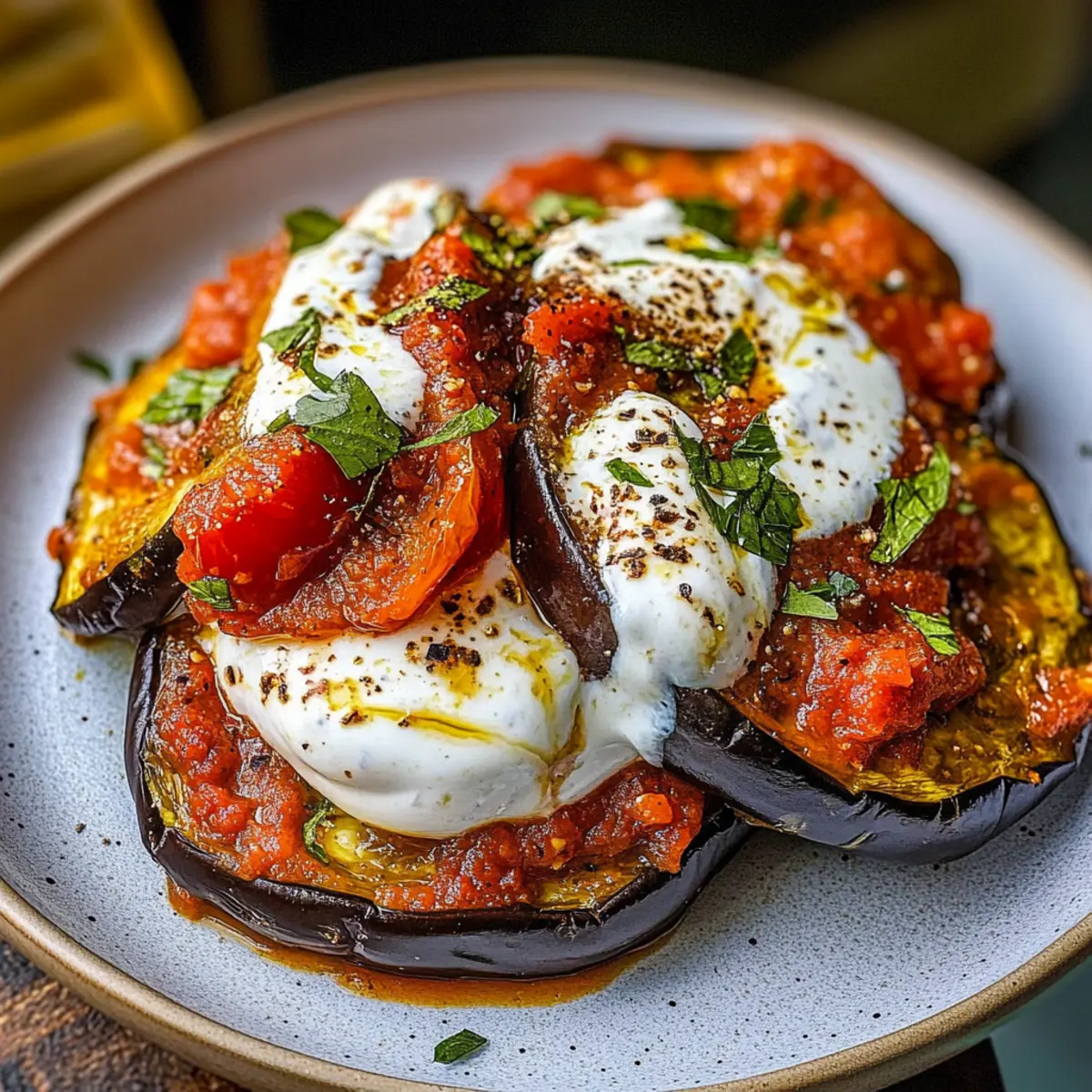
Why is Vegan Afghan Eggplant a Must-Try?
Simplicity: This recipe for Vegan Afghan Eggplant is straightforward, making it accessible for cooks of all skill levels.
Irresistible Flavor: The vibrant combination of spices and savory tomato sauce transforms humble eggplant into a flavor explosion that everyone will adore.
Versatile Options: Don’t hesitate to mix it up! Swap eggplant for zucchini or squash, or try different sauces for a delightful twist.
Quick Cooking: Perfect for busy nights, you can have this dish ready in under an hour, providing a wholesome meal without stress.
Crowd-Pleasing Appeal: Whether you’re hosting a dinner party or enjoying a quiet family meal, this dish will impress vegans and meat-lovers alike, just like a serving of Mango Sago Delightful.
Healthy Comfort: Loaded with fiber and essential nutrients, this dish not only satisfies cravings but also nourishes your body. Get ready to share this delectable recipe, and fall in love with its heartwarming goodness!
Vegan Afghan Eggplant Ingredients
For the Eggplant
• Eggplant – The star of the dish; use globe or Italian varieties for optimal taste and texture.
• Salt – Essential for drawing out moisture and bitterness to keep eggplant perfect and tender.
• Frying Oil – Canola, vegetable, or sunflower oil ensures a golden, crispy finish to your eggplant.
For the Spiced Tomato Sauce
• Olive Oil – Adds richness and is used to sauté aromatic ingredients for the sauce.
• Garlic – Minced to infuse aromatic flavor into the sauce; don’t skip this vital ingredient!
• Cumin Seeds – Brings warm, earthy depth; can be substituted with half the amount of ground cumin.
• Ground Coriander, Cardamom, Turmeric – Contributes to a complex spice blend, making the sauce irresistible.
• Aleppo Pepper Flakes – Offers mild heat; you can swap this with gochugaru if preferred.
• Canned Diced Tomatoes – Opt for fire-roasted for extra flavor; fresh tomatoes work well in summer.
• Tomato Paste – Thickens the sauce and intensifies the tomato flavor for a delightful richness.
• Brown Sugar – Balances acidity and enhances flavors in the sauce, perfect for a harmonious taste.
For the Creamy Garlicky Yogurt Sauce
• Plant-Based Yogurt – Almond or cashew yogurt makes a delicious, dairy-free base for the sauce.
• Lemon Zest – Brightens and elevates the yogurt, adding a refreshing zing.
• Mint, Parsley – Fresh herbs that bring a burst of color and flavor to the yogurt sauce.
Now you’re all set with the essential ingredients to create this Vegan Afghan Eggplant, a dish that will undoubtedly become a beloved addition to your culinary repertoire!
Step‑by‑Step Instructions for Vegan Afghan Eggplant
Step 1: Prepare the Eggplant
Slice the globe or Italian eggplant into ½-inch thick rounds and sprinkle them generously with salt. Let the slices rest in a colander for about 30 minutes to draw out moisture and bitterness. Once time is up, rinse the eggplant slices under cold water and gently pat them dry with a paper towel to ensure they don’t become soggy during cooking.
Step 2: Fry the Eggplant
In a large skillet, heat enough frying oil to cover the bottom over medium heat until it reaches around 350°F (175°C). Carefully place the eggplant slices in the hot oil, frying them for about 3-4 minutes on each side. They should turn a beautiful golden brown and crisp up nicely. Once fried, transfer the eggplant to a plate lined with paper towels to absorb excess oil.
Step 3: Make the Sauce
In a medium saucepan, pour in 2 tablespoons of olive oil and warm it over medium heat. Add minced garlic and sauté for 1 minute until fragrant, then stir in cumin seeds, ground coriander, cardamom, turmeric, and Aleppo pepper flakes. After about 30 seconds, pour in the canned diced tomatoes and tomato paste, then add brown sugar and a pinch of salt. Simmer this delightful mix for about 8 minutes, stirring occasionally, until the sauce thickens and flavors meld.
Step 4: Prepare the Yogurt Sauce
In a mixing bowl, combine the plant-based yogurt with lemon zest, minced garlic, chopped mint, and parsley. Stir everything together until smooth and well blended. Make sure to taste and add a pinch of salt if needed. This creamy garlicky yogurt sauce will beautifully complement the layers of flavors in your Vegan Afghan Eggplant.
Step 5: Assemble the Dish
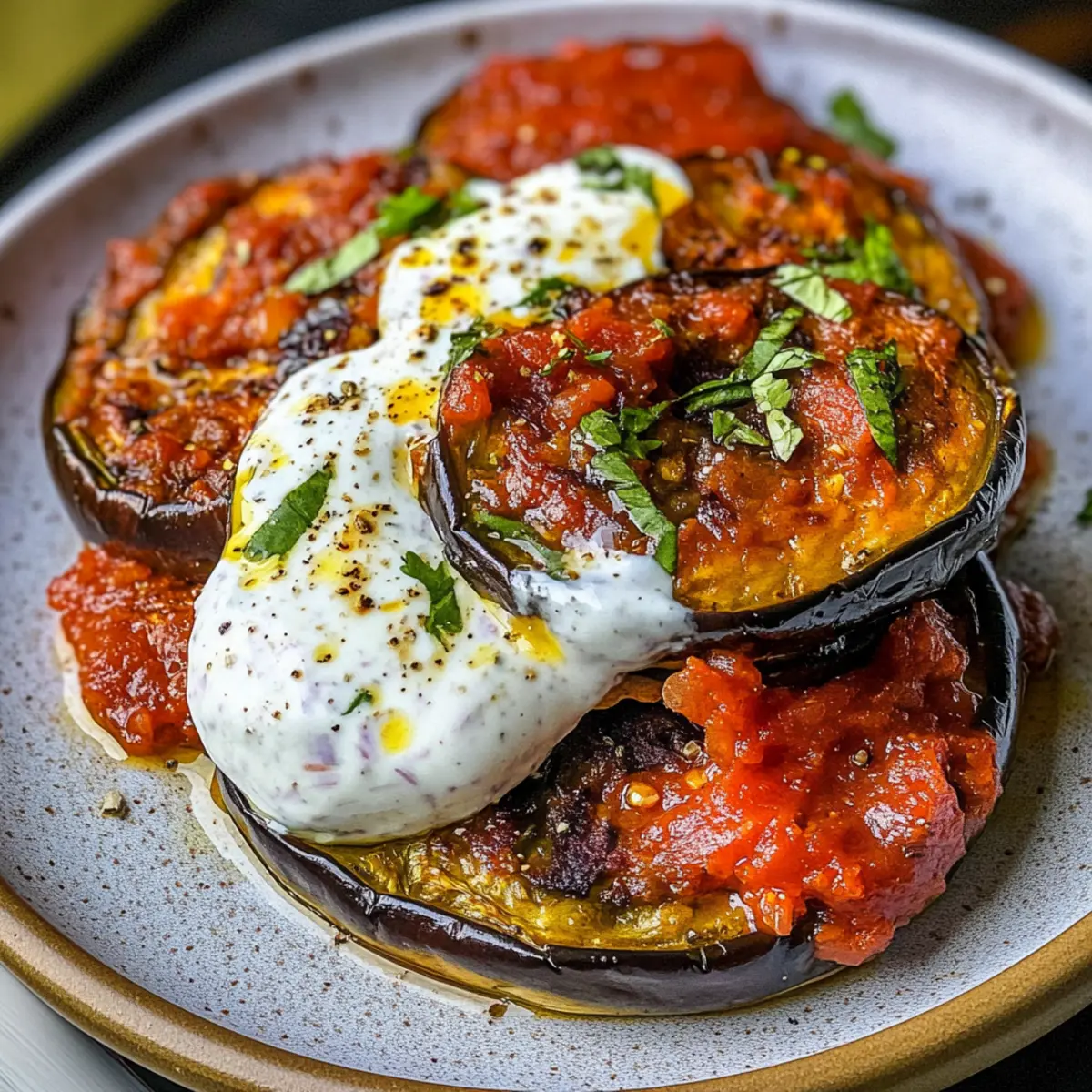
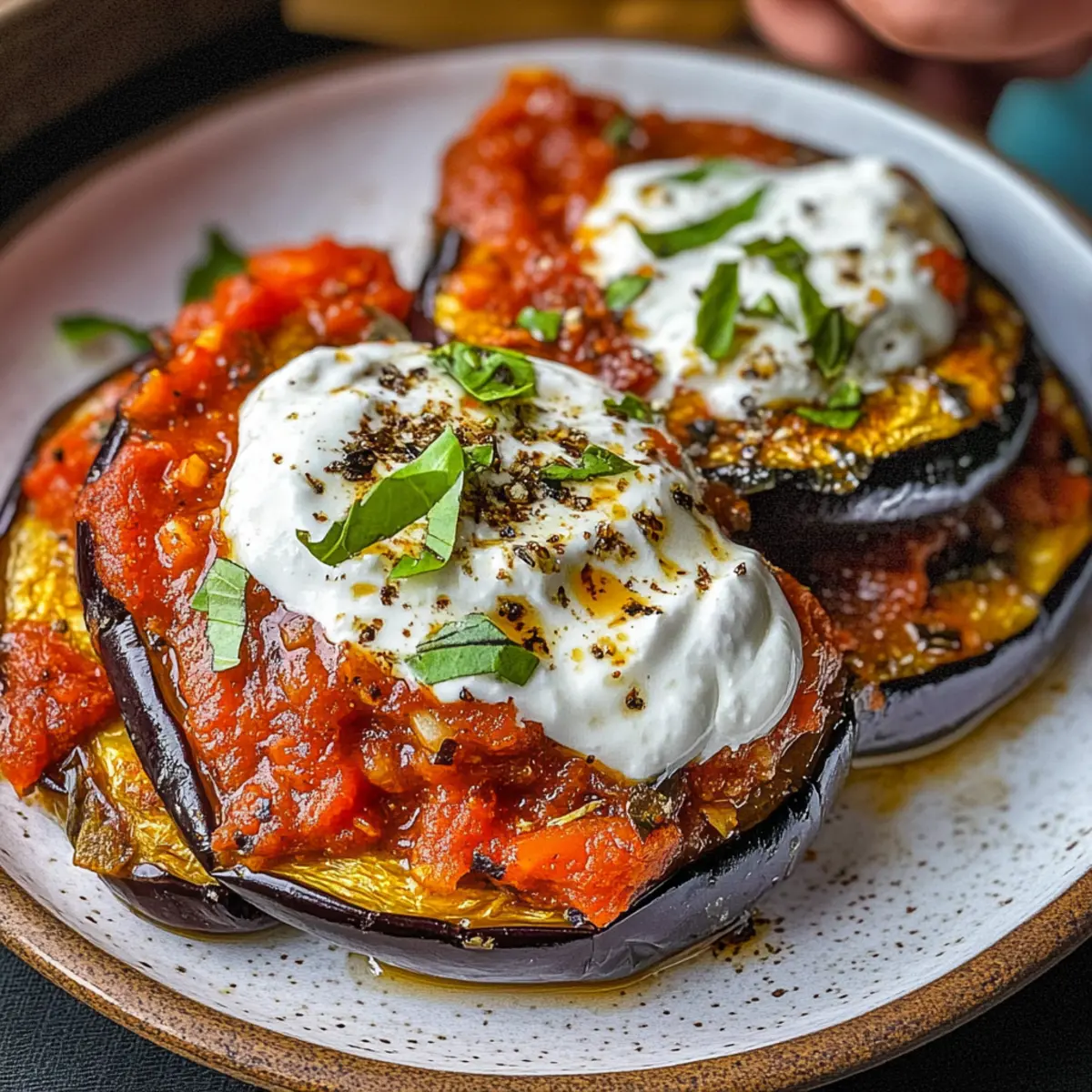
In a serving dish, spread a generous layer of the creamy yogurt sauce on the bottom. Arrange the crispy fried eggplant slices over the yogurt, then spoon the warm spiced tomato sauce generously on top. Don’t forget to leave some yogurt for the final touch; create a layer over the sauce for extra creaminess.
Step 6: Serve
Your Vegan Afghan Eggplant is now ready to impress! Serve the dish warm or at room temperature, garnished with a sprinkle of parsley, dried mint, and finely minced onion if you like. Pair it with homemade Afghan bread or rice for a complete meal that is sure to delight your family and friends.
Make Ahead Options
These Vegan Afghan Eggplant components are perfect for meal prep, saving you time during busy weeks! You can salt and slice the eggplant up to 24 hours in advance; just keep it covered in the fridge to prevent browning. The spiced tomato sauce can also be made ahead, lasting up to 3 days in an airtight container in the refrigerator. For the creamy garlicky yogurt sauce, prepare it a day before serving, and keep it chilled to ensure freshness. When you’re ready to assemble the dish, simply fry the eggplant and layer it with the sauce and yogurt just before serving, for that beautiful, warm presentation. Enjoy the deliciousness of your Vegan Afghan Eggplant with minimal effort!
Expert Tips for Vegan Afghan Eggplant
• Oil Temperature: Ensure oil is hot enough (350°F/175°C) before frying to achieve crispy, not soggy, eggplant.
• Avoid Overcrowding: Fry the eggplant slices in batches to maintain even cooking and crispiness; overcrowding can lead to steaming instead of frying.
• Quality Ingredients: Use globe or Italian eggplants for the best texture and flavor absorption; fresh spices enhance the overall taste of your Vegan Afghan Eggplant.
• Water Removal: Don’t skip rinsing and patting dry the salted eggplant after resting; this step prevents excess moisture that could make your dish soggy.
• Creative Serving: Experiment with different toppings and serving styles, such as adding a drizzle of pomegranate molasses for extra sweetness and color to elevate your dish.
How to Store and Freeze Vegan Afghan Eggplant
Fridge: Store the Vegan Afghan Eggplant in an airtight container for up to 4 days. It’s best to keep the eggplant and sauce separate to maintain texture and flavor.
Freezer: You can freeze the cooked eggplant and sauce together in a freezer-safe container for up to 3 months. Label with the date for easy tracking.
Reheating: To reheat, thaw in the fridge overnight, then warm gently in a saucepan over low heat, stirring occasionally. Enjoy the comfort of this dish once again!
Leftovers: For the best taste, consume leftovers within 2 days after thawing for optimal freshness and flavor in your Vegan Afghan Eggplant.
What to Serve with Vegan Afghan Eggplant
Transform your meal into a delightful experience by pairing it with vibrant, complementary sides.
- Homemade Afghan Bread: Soft and pillowy, it’s perfect for scooping up the lovely sauce and providing a warm, comforting base.
- Persian Rice: Fluffy saffron-infused rice enhances the dish by adding elegance and a beautiful aroma, making every bite feel special.
- Tabbouleh Salad: Fresh, colorful, and herbaceous with parsley and mint, this salad adds brightness and crunch to balance the richness of the eggplant dish.
- Grilled Vegetables: Seasonal veggies like zucchini and bell peppers, lightly seasoned and charred, bring a smoky complement that contrasts beautifully with the creamy sauce.
- Cilantro Lime Quinoa: Nutty, protein-packed quinoa mixed with cilantro and lime offers a refreshing twist, perfect for those seeking additional texture and flavor excitement.
- Minted Yogurt Dip: A cooling contrast, this creamy dip adds both freshness and creaminess, making it an ideal counterpart to the warming spices in the Afghan eggplant.
- Date and Orange Salad: Sweet dates with juicy oranges provide a vibrant palate cleanser, balancing out the savory flavors with delightful sweetness.
- Pomegranate Seeds: A sprinkle on top adds a pop of color and sweet-tart bursts, enriching the dish’s aesthetic while enhancing the overall flavor experience.
- Chai Tea: With its warm spices and soothing finish, a fragrant cup of chai beautifully rounds off the meal and enhances the overall dining experience.
Vegan Afghan Eggplant Variations
Customize your Vegan Afghan Eggplant to suit your mood and taste preferences, making each dish uniquely yours.
-
Zucchini Swap: Substitute eggplant with sliced zucchini or summer squash for a lighter take. Their mild flavor melds beautifully with spices!
-
Baked Version: Instead of frying, bake the eggplant slices at 400°F (200°C) for about 25 minutes until golden for a healthier alternative.
-
Creamy Cashew Sauce: Replace the yogurt sauce with a creamy cashew blend for a richer, nutty flavor. Simply blend soaked cashews with garlic, lemon, and herbs for a dreamy topping.
-
Spicy Kick: Add diced jalapeños or chopped chili peppers to the tomato sauce for an extra layer of heat. This twist will surely awaken your taste buds!
-
Fresh Herbs: Experiment with fresh herbs by swapping mint with cilantro or basil in the yogurt sauce. It’s a fun way to refresh the classic flavors.
-
Tomato Variations: Use roasted tomatoes or sun-dried tomatoes in the sauce for a deeper flavor profile. Their caramelized sweetness will elevate this dish considerably.
-
Nutty Topping: Sprinkle toasted pine nuts or slivered almonds over the final dish for a crunchy texture. It adds a delightful contrast to the creamy sauce.
For more delightful ideas, feel free to explore variations in other recipes like Baked Eggplant New and some decadent Vegan Chocolate Mousse to round out your meal. Embrace these variations and make this dish your own!
Vegan Afghan Eggplant Recipe FAQs
What type of eggplant is best for this recipe?
Absolutely! For making Vegan Afghan Eggplant, I recommend using globe or Italian eggplants. They provide the best texture and flavor absorption, making your dish truly delightful. Avoid using very small or large eggplants as they might not yield the same results, especially in terms of taste.
How should I store leftover Vegan Afghan Eggplant?
To keep your leftover Vegan Afghan Eggplant fresh, store it in an airtight container in the refrigerator for up to 4 days. I often find it best to keep the components (eggplant and sauce) separate to maintain their respective textures and flavors.
Can I freeze Vegan Afghan Eggplant?
Certainly! To freeze, place the cooked eggplant and sauce together in a freezer-safe container, ensuring it’s tightly sealed to prevent freezer burn. It can be stored for up to 3 months. Don’t forget to label the container with the date for your convenience!
What can I do if my eggplant turns soggy while cooking?
Very commonly, this happens if the oil isn’t hot enough. I recommend making sure that the oil reaches around 350°F (175°C) before adding the eggplant slices. Harshly frying them creates a crispy texture rather than sogginess. Don’t overcrowd the pan either, as that can lead to steaming.
Is this dish suitable for people with allergies?
Definitely! The Vegan Afghan Eggplant is not only plant-based but also gluten-free, making it suitable for many dietary needs. However, it’s a good idea to check the ingredients of plant-based yogurt, as some brands may contain allergens like nuts. Always ensure to read labels, especially if accommodating guests with allergies.
How can I adjust the spice levels in this recipe?
You can customize the exquisite flavor of Vegan Afghan Eggplant! If you’re looking for a milder dish, reduce the amount of Aleppo pepper flakes or even skip them entirely. Alternatively, if you enjoy a bit of heat, consider adding more spices or including fresh diced chili peppers into your sauce for added warmth!
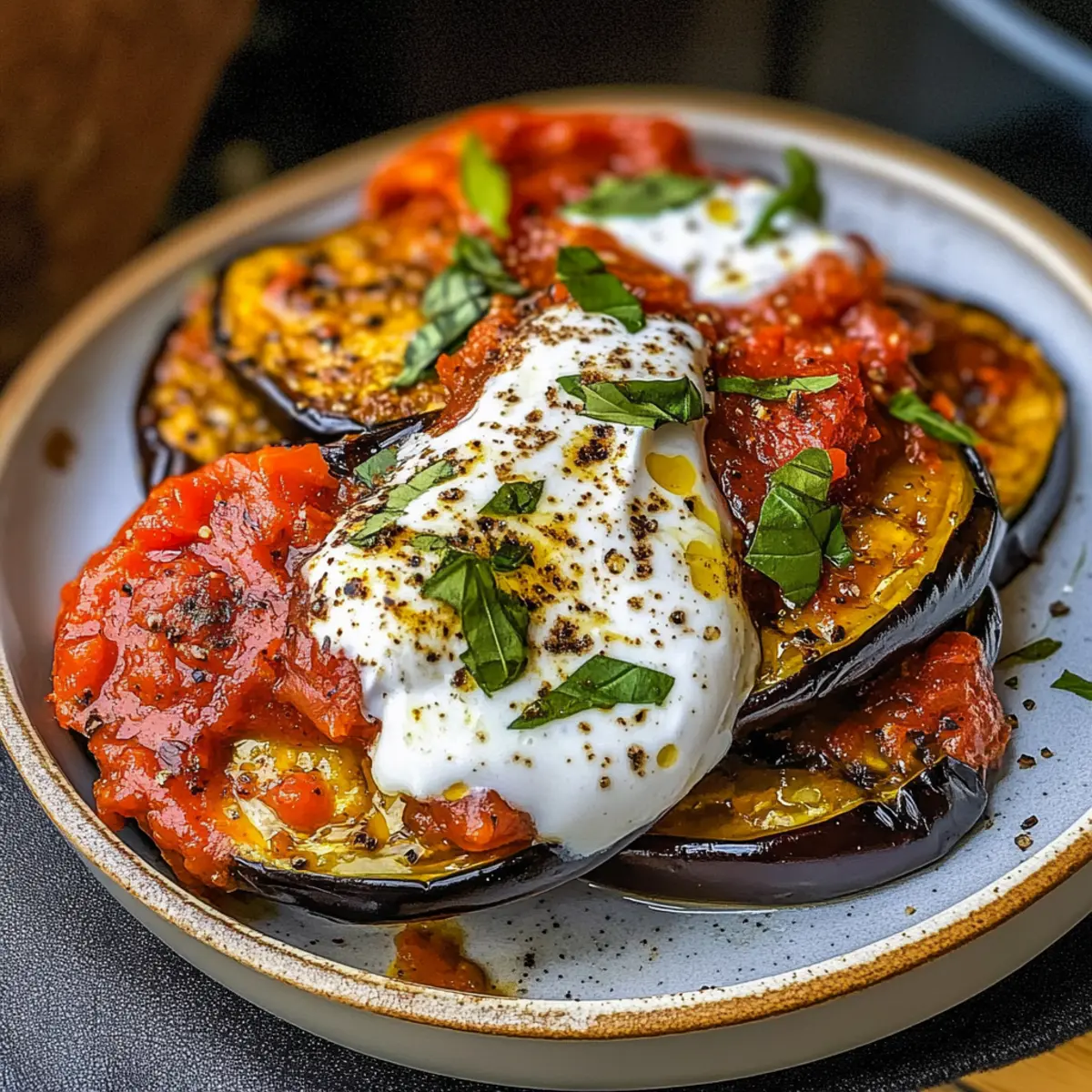
Irresistible Vegan Afghan Eggplant with Creamy Garlic Sauce
Ingredients
Equipment
Method
- Slice the eggplant into ½-inch thick rounds and sprinkle with salt. Let rest in a colander for 30 minutes, then rinse and pat dry.
- Heat frying oil in a skillet over medium heat. Fry eggplant slices for 3-4 minutes on each side until golden brown. Transfer to paper towels.
- In a saucepan, heat olive oil, add garlic and sauté for 1 minute. Stir in spices, add tomatoes, tomato paste, brown sugar, and salt. Simmer for 8 minutes until thickened.
- In a bowl, mix yogurt, lemon zest, mint, and parsley until smooth. Add a pinch of salt if needed.
- Spread a layer of yogurt sauce in a serving dish, layer with fried eggplant, and top with spiced tomato sauce. Add more yogurt on top if desired.
- Serve warm or at room temperature, garnished with parsley and mint. Pair with Afghan bread or rice.
Leave a Reply