
As the colorful bounty of the farmer’s market beckoned with its vibrant hues, I immediately thought of the perfect way to embrace the fresh flavors: Quick and Colorful Sautéed Vegetables. This dish is a versatile gem that not only elevates your meals but also fits seamlessly into a healthy, busy lifestyle. With its quick prep time and an array of possible variations—from Mediterranean to Asian-inspired—it’s no wonder this recipe has become one of my go-to choices for hectic weeknights. Plus, it’s packed with nutrition and is entirely plant-based, making it a delightful treat for everyone at the table. Are you ready to turn ordinary vegetables into something extraordinary? Let’s dive into the sizzling details!
Why Sautéed Vegetables Are a Must-Try?
Quick and Easy: This recipe is perfect for busy weeknights, requiring minimal prep and cook time while still delivering delicious results.
Flavor Versatility: With options like Mediterranean and Asian-inspired variations, you can customize this dish to suit any palate.
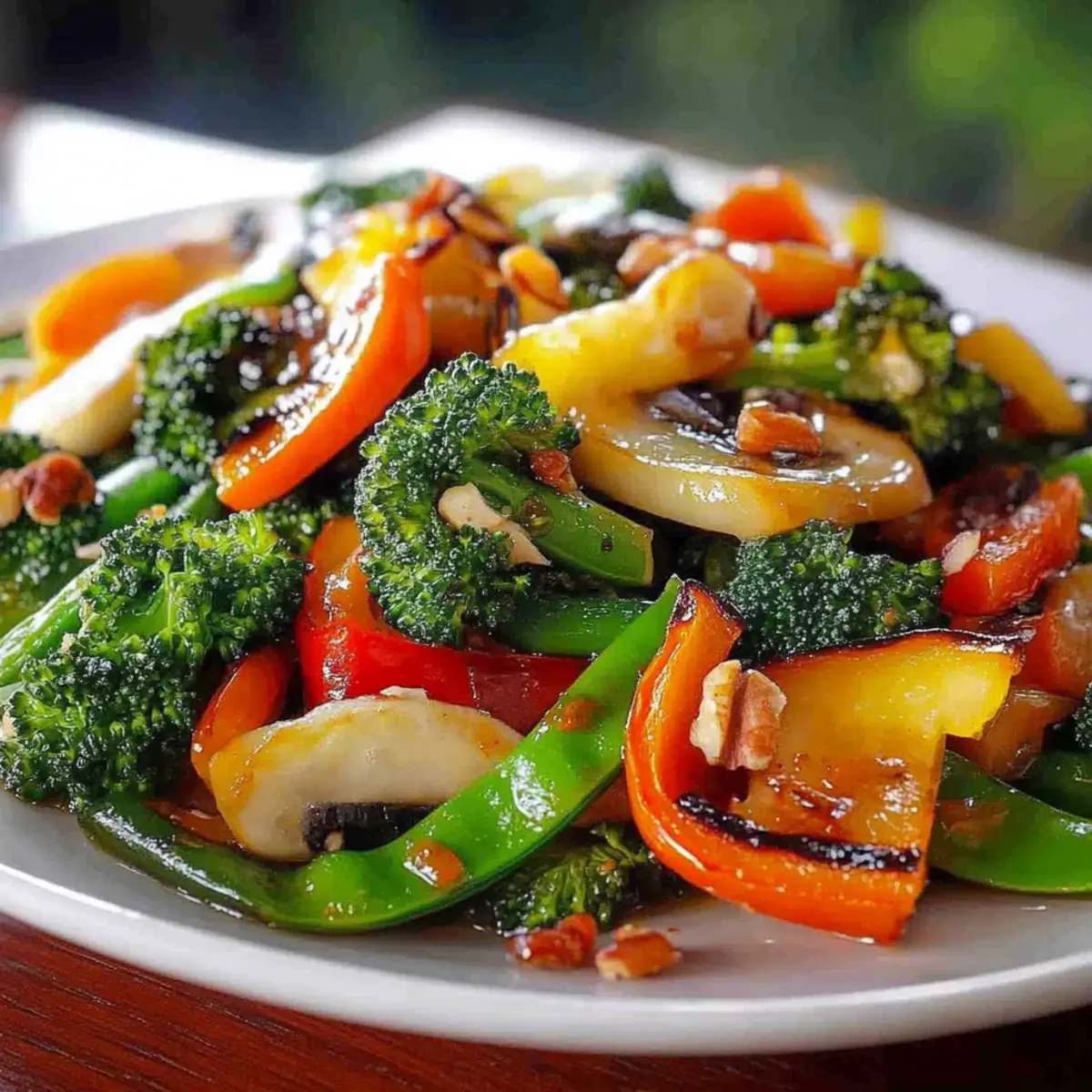
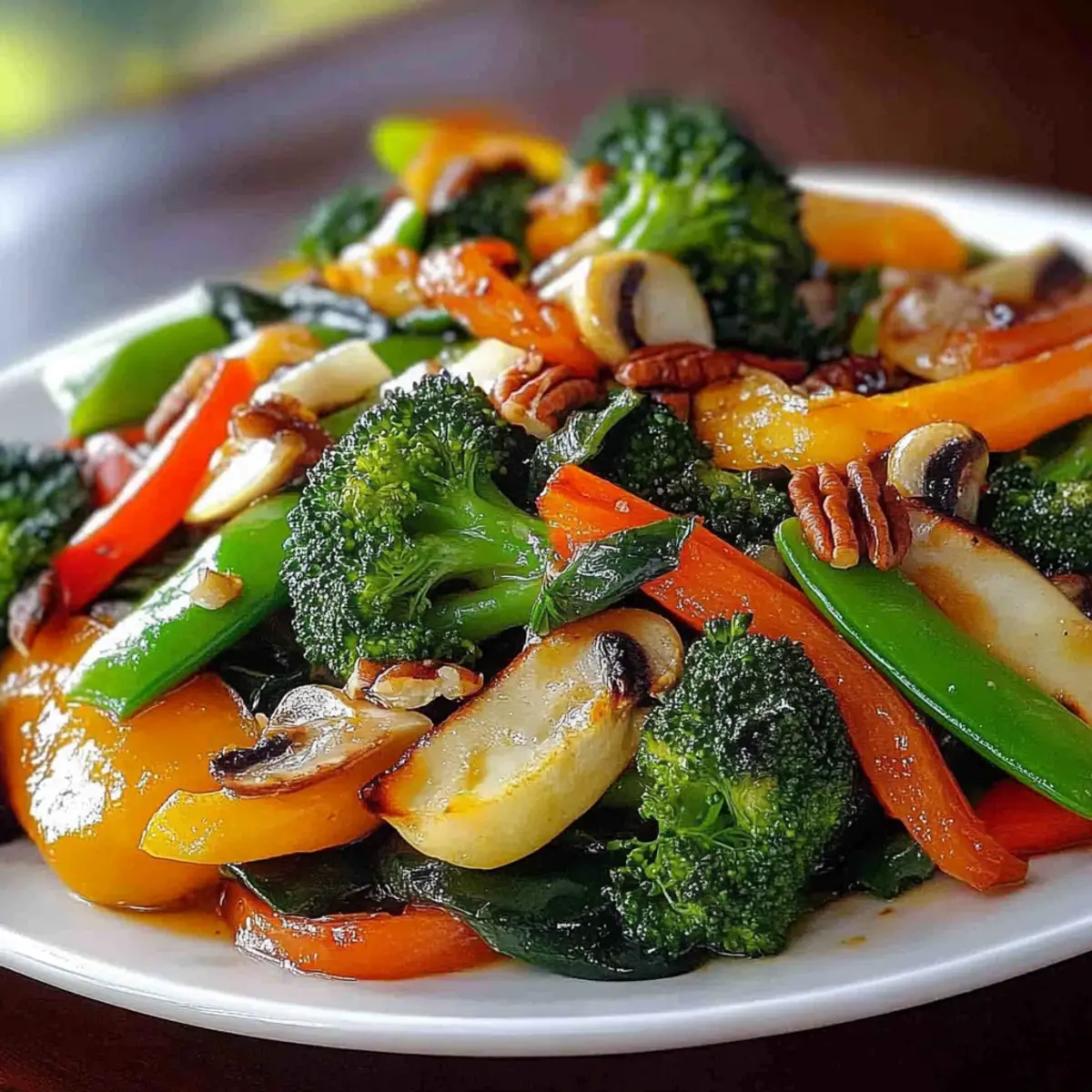
Colorful Presentation: The bright and vibrant colors of the vegetables make every plate visually appealing, ensuring your meals are as attractive as they are nutritious.
Nutrient-Packed: Packed with vitamins and fiber, these sautéed vegetables are a great addition to any healthy diet and make for an excellent side dish.
Meal Prep Friendly: Want to save time? Chop your veggies ahead of time and sauté them fresh right before serving—perfect for meal prep enthusiasts!
Embrace the beauty of fresh produce and make this recipe a staple in your home! For more quick and healthy ideas, check out our guide on healthy meal prep.
Sautéed Vegetables Ingredients
For the Base
• Olive oil – A great source of healthy fats; avocado oil can be used for a different flavor.
• Garlic (2 cloves, minced) – Adds aromatic flavor; substitute with garlic powder if needed.
• Onion (1 small, thinly sliced) – Provides sweetness and depth; shallots can be a milder alternative.
For the Vegetables
• Bell Pepper (1, sliced) – Offers sweetness and vibrant color; any sweet pepper variety works well too.
• Zucchini (1, sliced into half-moons) – Adds moisture and a tender bite; yellow squash can be used interchangeably.
• Broccoli florets (1 cup) – Brings crunch and nutrients; green beans or asparagus are good substitutes.
• Carrot (1 medium, julienned or thinly sliced) – Provides sweetness and color; parsnip is a great replacement.
• Snap peas (½ cup) – Adds a delightful crunch; snow peas may be used if preferred.
• Mushrooms (½ cup, sliced) – Infuses umami flavor; feel free to use your favorite type of mushroom or omit for a lighter dish.
Seasonings and Add-ins
• Salt and black pepper – Essential for seasoning; adjust according to your taste.
• Lemon juice (1 tsp, optional) – Brightens up the dish beautifully; vinegar is a suitable alternative.
• Balsamic vinegar or soy sauce (1 tsp, optional) – Enhances flavor; opt for tamari if you need a gluten-free option.
Optional Toppings
• Toasted nuts or seeds – Add a satisfying crunch; almonds or sunflower seeds are wonderful choices.
• Fresh herbs – Bring a refreshing touch; try basil or parsley for extra flavor.
• Grated Parmesan – For a savory finish; consider a vegan cheese if you prefer plant-based options.
These vibrant sautéed vegetables are ready to transform your meals into a colorful, nutritious delight!
Step‑by‑Step Instructions for Quick and Colorful Sautéed Vegetables
Step 1: Prep Vegetables
Begin by washing, peeling if necessary, and cutting all your vegetables into uniform sizes. This ensures they cook evenly and reach the perfect crisp-tender texture. Aim for bite-sized pieces for even sautéing, and lay them out on a cutting board, ready for action.
Step 2: Heat Oil
In a large skillet, heat 1-2 tablespoons of olive oil over medium-high heat. Once the oil shimmers but isn’t smoking, it’s time to add aromatics. Adjust the heat as needed to prevent the oil from burning, creating a great base for the sautéed vegetables.
Step 3: Cook Aromatics
Add the minced garlic and thinly sliced onion to the skillet, sautéing them for 1-2 minutes until they become fragrant and the onions turn translucent. Be sure to stir frequently, preventing the garlic from burning, which can impart a bitter flavor to your Quick and Colorful Sautéed Vegetables.
Step 4: Add Harder Vegetables
Next, toss in the julienned carrots and broccoli florets into your skillet. Sauté these firmer vegetables for about 3-4 minutes, stirring often until they start to soften but maintain their vibrant color and crunch. This step builds a solid flavor base for your dish.
Step 5: Add Softer Vegetables
Now it’s time to layer in your bell pepper, zucchini, mushrooms, and snap peas. Continue to sauté for an additional 4-5 minutes until the vegetables are crisp-tender, mixing occasionally. You’re looking for vivid colors and a harmonious blend of textures in your Quick and Colorful Sautéed Vegetables.
Step 6: Season
Sprinkle the sautéed vegetables generously with salt and black pepper, adjusting the amounts to your taste. If you enjoy a little brightness, add the optional lemon juice or balsamic vinegar at this stage to elevate the flavors further, mixing everything well.
Step 7: Finish & Serve
Toss everything once more to combine, ensuring each piece is coated in the delicious medley of flavors. Remove from heat, and garnish your sautéed vegetables with optional toppings like toasted nuts, seeds, or fresh herbs for an extra special touch before serving immediately.
How to Store and Freeze Sautéed Vegetables
Fridge: Store leftovers in an airtight container for up to 3-4 days. Reheat gently in a skillet over low heat to maintain their color and texture.
Freezer: For longer storage, freeze sautéed vegetables in a single layer on a baking sheet, then transfer to a freezer-safe bag. They last up to 3 months, retaining flavor and nutrients.
Reheating: When ready to enjoy, thaw in the fridge overnight. Reheat on the stove over medium heat, adding a splash of olive oil or broth to restore moisture.
Tip: For quick meal prep, consider chopping vegetables in advance and storing them separately. Sauté them fresh whenever you’re ready for a delightful dish!
Make Ahead Options
These Quick and Colorful Sautéed Vegetables are a fantastic choice for meal prep! You can chop all your vegetables up to 24 hours in advance and store them in airtight containers in the refrigerator to keep them fresh. To prevent any browning and maintain their vibrant colors, layer a damp paper towel between the veggie layers for added moisture. When you’re ready to serve, simply heat a tablespoon of olive oil in a skillet, add your prepped vegetables, and sauté them for about 6-8 minutes until they reach that perfect crisp-tender texture. This way, you’ll have a nutritious side dish ready to go in no time, perfect for busy weeknights!
What to Serve with Quick and Colorful Sautéed Vegetables
Elevate your meal experience with delightful pairings that complement every vibrant bite of these sautéed vegetables.
-
Grilled Chicken: Juicy and smoky, grilled chicken brings heartiness to the table, balancing the freshness of sautéed vegetables beautifully.
-
Quinoa Salad: A refreshing grain salad with herbs and lemon enhances the flavor with a satisfying bite that pairs well with your healthy choice.
-
Brown Rice: Nutty and chewy brown rice provides a wholesome base that absorbs every drop of flavor from your sautéed vegetables.
-
Toasty Garlic Bread: Crispy garlic bread adds a wonderful crunch, perfect for scooping up the colorful mix on your plate. This comfort food staple creates a cozy setting for your dinner.
-
Roasted Chickpeas: Crunchy and seasoned to perfection, roasted chickpeas offer plant-based protein while adding a fun texture contrast to the sautéed vegetables.
-
Lemon-Dijon Vinaigrette: Drizzling this zesty dressing over your sautéed vegetables awakens the flavors and adds a refreshing touch.
-
Sautéed Spinach: Lightly sautéed spinach, with its mild flavor and pleasant texture, blends wonderfully into a healthful meal alongside your colorful vegetable medley.
-
Fruit-Infused Iced Tea: A refreshing drink with fruity notes complements the dish and enhances your dining experience, making it feel special.
-
Chocolate Mousse: For dessert, a silky chocolate mousse provides a rich and indulgent end to your palette, balancing the meal’s vibrant flavors.
Sautéed Vegetables: Endless Customizations
Explore the exciting possibilities of personalizing your sautéed vegetables for a dish that truly speaks your taste!
-
Mediterranean: Add lemon zest and crumbled feta for a refreshing burst of flavor. The tangy cheese pairs beautifully with the veggies.
-
Asian-inspired: Stir in soy sauce, sesame oil, and a sprinkle of sesame seeds for an umami-packed twist. This variation delivers an alluring aroma that will have everyone asking for seconds.
-
Spicy Kick: Incorporate chili flakes or a dash of hot sauce to give your veggies a fiery edge. This is perfect for spice lovers looking to turn up the heat!
-
Nutty Addition: Top with toasted almonds or pine nuts for an irresistible crunch. The added texture complements the tender vegetables and makes each bite delightful.
-
Herb-Infused: Add fresh herbs like basil or cilantro for an aromatic freshness. Tossing in herbs right before serving elevates the overall flavor experience immensely.
-
Creamy Twist: Stir in a splash of coconut milk or cashew cream for a luxurious feel. This not only enriches the dish but also brings a creamy texture that contrasts beautifully with the sautéed vegetables.
-
Smoky Flavors: Add smoked paprika or chipotle peppers for an unexpected smoky depth. This flavor twist will give your dish a unique character that pairs wonderfully with grilled proteins.
-
Nut-Free Option: If you’re looking to avoid nuts, swap in crunchy sunflower seeds instead. They provide a satisfying bite without the allergens, maintaining that delightful crunch in your dish.
You can also enjoy a nourishing addition of nutrients by serving these vibrant sautéed vegetables with other wholesome sides. For more ideas on complete meals, check out our guide on healthy meal prep.
Helpful Tricks for Sautéed Vegetables
-
Uniform Chopping: Cut vegetables into similar sizes to ensure they cook evenly; larger pieces can remain undercooked and disrupt your sautéed vegetables’ texture.
-
Avoid Crowding: Don’t overload the pan; working in smaller batches helps prevent steaming, maintaining that desirable crisp-tender quality.
-
Flavor the Oil: Sauté garlic and onions first to infuse the oil with flavor, setting a savory base for your sautéed vegetables and enhancing the overall taste.
-
Add Acidity: Finish with a splash of lemon juice or vinegar just before serving to brighten the flavors and elevate the dish.
-
Storage Savvy: Store leftovers in an airtight container for up to 3-4 days; reheat gently to preserve texture and flavor.
Sautéed Vegetables Recipe FAQs
What kind of vegetables should I use for sautéing?
Absolutely! You can use a variety of fresh vegetables like bell peppers, zucchinis, carrots, broccoli, and snap peas. I recommend selecting colorful and firm vegetables that are in season for the best flavor and texture. If you notice any dark spots or wilting, it’s best to skip those as they may not cook well.
How should I store leftover sautéed vegetables?
Very simply! Store your leftovers in an airtight container in the refrigerator for up to 3-4 days. To keep them fresh, reheat gently on the stove over low heat, adding a splash of water or broth to maintain moisture.
Can I freeze sautéed vegetables?
Of course! To freeze your sautéed vegetables, spread them in a single layer on a baking sheet and freeze until solid. Then, transfer them to a freezer-safe bag, where they can last up to 3 months. When you’re ready to use them, thaw them in the fridge overnight, and reheat on medium heat with a bit of olive oil for extra flavor. This method retains both nutrients and taste!
What if my vegetables become soggy during cooking?
Don’t worry! If your sautéed vegetables are turning soggy, it may be due to overcrowding the pan. Always leave enough space for each piece of vegetable and sauté in smaller batches if needed. Also, make sure your oil is hot enough before adding the vegetables; this helps create a nice sear and keeps them crisp.
Are sautéed vegetables suitable for a vegan diet?
Absolutely! This dish is entirely plant-based and vegan-friendly, making it a perfect meal for anyone who prefers a vegetable-centric diet. You can even adjust the seasonings to cater to different dietary requirements without losing any delicious flavor.
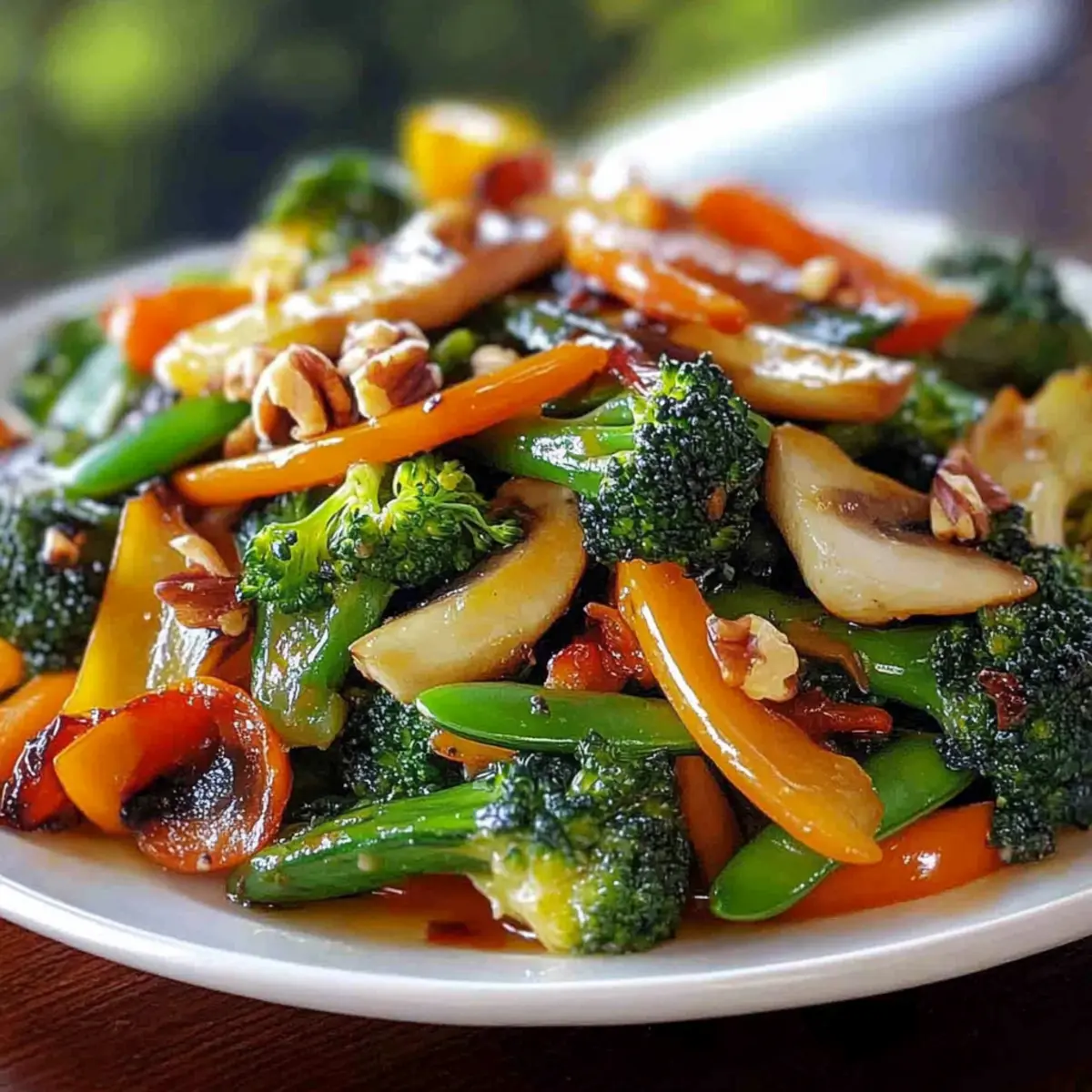
Sautéed Vegetables That Brighten Up Any Meal Tonight
Ingredients
Equipment
Method
- Begin by washing, peeling if necessary, and cutting all your vegetables into uniform sizes to ensure they cook evenly.
- In a large skillet, heat 1-2 tablespoons of olive oil over medium-high heat until shimmering, then add aromatics.
- Add minced garlic and thinly sliced onion; sauté for 1-2 minutes until fragrant and translucent.
- Toss in julienned carrots and broccoli florets; sauté for about 3-4 minutes until they start to soften.
- Layer in bell pepper, zucchini, mushrooms, and snap peas; sauté for an additional 4-5 minutes until crisp-tender.
- Sprinkle with salt and black pepper, and add lemon juice or balsamic vinegar as desired.
- Toss everything to combine, then garnish with optional toppings and serve immediately.
Leave a Reply