
As the steam rises and fills my kitchen with a sweet aroma, I’m transported to the bustling streets of Vietnam, where traditional flavors come alive in delightful desserts. Today, I’m thrilled to share my take on Vietnamese Steamed Banana Cake (Banh Chuoi Hap), a dessert that’s both comforting and surprisingly easy to make. Using the unique pisang awak bananas, this gluten-free and dairy-free treat highlights their natural sweetness, giving it an irresistible soft and chewy texture. Not only is this cake a quick fix for satisfying your sweet tooth, but it’s also a delightful twist on conventional desserts, making it a perfect choice for anyone wanting to explore new textures and flavors. Are you ready to embark on this tropical journey with me?
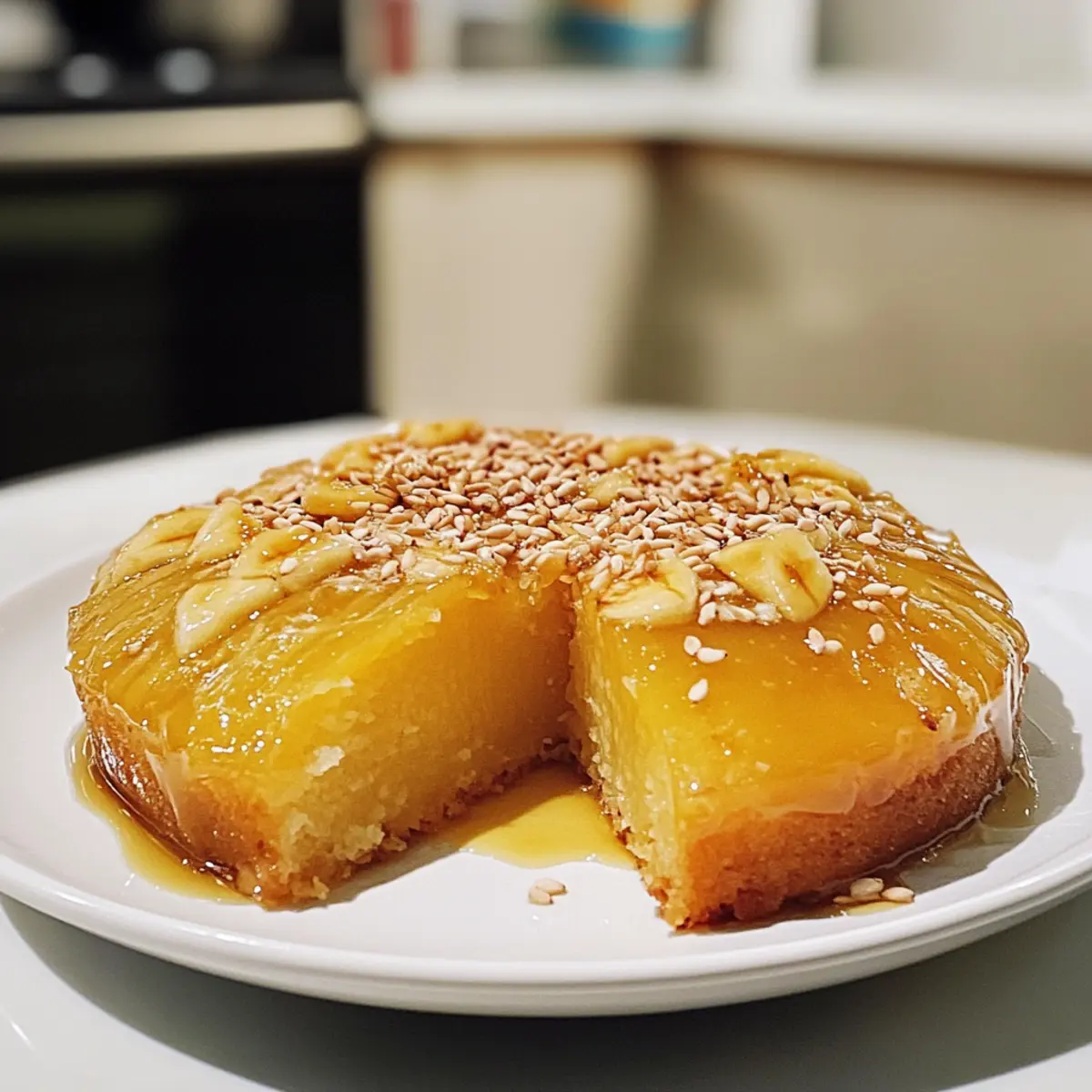
Why is this cake a must-try?
Simplicity at Its Finest: This Vietnamese Steamed Banana Cake is a breeze to whip up, requiring just a few pantry staples and minimal prep.
Irresistibly Chewy Texture: Experience a delightful soft and chewy bite, reminiscent of the beloved mochi, which sets it apart from typical baked treats.
Tropical Flavor Explosion: Using pisang awak bananas helps create a uniquely sweet and fragrant cake, transporting your taste buds straight to Vietnam.
Versatile Serving Options: Enjoy it warm as a dessert, or even as a sweet breakfast! Need more breakfast ideas? Check out my Banana Oats Pancakes for another delicious twist on bananas.
Health-Conscious Indulgence: This cake is gluten-free, dairy-free, and vegan, making it not only a guilt-free pleasure but also a suitable choice for various dietary preferences.
Crowd-Pleasing Delight: Impress your family and friends with a dessert that’s both exotic and comforting, perfect for gatherings or just a sweet treat at home!
Vietnamese Steamed Banana Cake Ingredients
For the Cake
- Pisang Awak Bananas – Provide natural sweetness and moisture; essential for authenticity, no substitutions recommended.
- Light Brown Sugar – Adds sweetness and enhances color; coconut sugar can be used for a different flavor.
- Tapioca Starch (Tapioca Flour) – Delivers the cake’s soft-chewy texture; choose high-quality, fine starch for best results.
- Rice Flour – Contributes to structure and chewy qualities; should be finely milled; avoid glutinous rice flour substitutions.
- Salt – Enhances overall flavor; a small pinch balances sweetness beautifully.
- Cinnamon Powder – Imparts a warm, aromatic depth to the cake; optional but great for a fuller taste.
- Water – Achieves the ideal batter consistency, helping the ingredients bind together smoothly.
For the Coconut Sauce
- Canned Coconut Milk – Creates a rich sauce to drizzle over the cake; quality affects the flavor, with Aroy-D being a preferred brand.
- Cornstarch – Thickens the coconut sauce to your desired consistency; don’t skip this step for a smooth pour.
For Garnish
- Toasted Sesame Seeds – An optional garnish that adds a nutty flavor and crunchy texture, elevating the dish.
With these ingredients in hand, you’re all set to create a delicious Vietnamese Steamed Banana Cake that beautifully showcases the art of simple, tropical desserts!
Step‑by‑Step Instructions for Vietnamese Steamed Banana Cake
Step 1: Prepare Bananas
Start by peeling the pisang awak bananas and slicing them thinly. Place the banana slices in a bowl and sprinkle with light brown sugar, tossing gently to coat. Allow the bananas to marinate for 10 to 20 minutes at room temperature. The sugar will draw out the natural juices, enhancing the sweetness of your Vietnamese Steamed Banana Cake.
Step 2: Mix Dry Ingredients
In a mixing bowl, combine 1 cup of tapioca starch and 1 cup of rice flour, along with a pinch of salt and 1 teaspoon of cinnamon powder. Whisk the dry ingredients together until they are evenly blended. This mixture will create the foundation for the soft and chewy texture characteristic of the Vietnamese Steamed Banana Cake, so ensure it’s well mixed for optimal results.
Step 3: Create Batter
Gradually add ¾ cup of water to the dry mixture, stirring continuously until the batter is smooth and homogenous. The consistency should be slightly thicker than pancake batter but still pourable. If necessary, adjust with a little more water, but be careful not to make it too runny. This batter will envelop the marinated bananas beautifully when integrated.
Step 4: Combine
Gently fold the marinated banana slices into the prepared batter until well distributed. Reserve a few slices for decoration on top of the cake. This step is crucial as it ensures that the sweet banana flavors permeate the Vietnamese Steamed Banana Cake, creating a delightful eating experience.
Step 5: Steaming Setup
Prepare your steaming setup by pouring the batter into a greased 4″x8″ loaf pan. Arrange the reserved banana slices in a decorative manner on top of the batter. Fill your steamer with water and bring it to a simmer. Wrap the lid with a clean kitchen towel to catch condensation, preventing any water from dripping onto the cake as it cooks.
Step 6: Steam
Place the loaf pan into the steamer and cover with the lid. Steam the cake over medium heat for about 25 to 30 minutes. The Vietnamese Steamed Banana Cake is done when the edges have slightly pulled away from the sides and the center appears translucent. Perform a toothpick test in the center; it should come out clean when the cake is fully cooked.
Step 7: Cool and Serve
Once steamed, remove the loaf pan from the steamer and allow it to cool for a few moments before gently lifting the cake out. Slice into portions and serve warm with a drizzle of rich coconut sauce made from canned coconut milk thickened with cornstarch. For added flavor, sprinkle with toasted sesame seeds to elevate your Vietnamese Steamed Banana Cake experience.
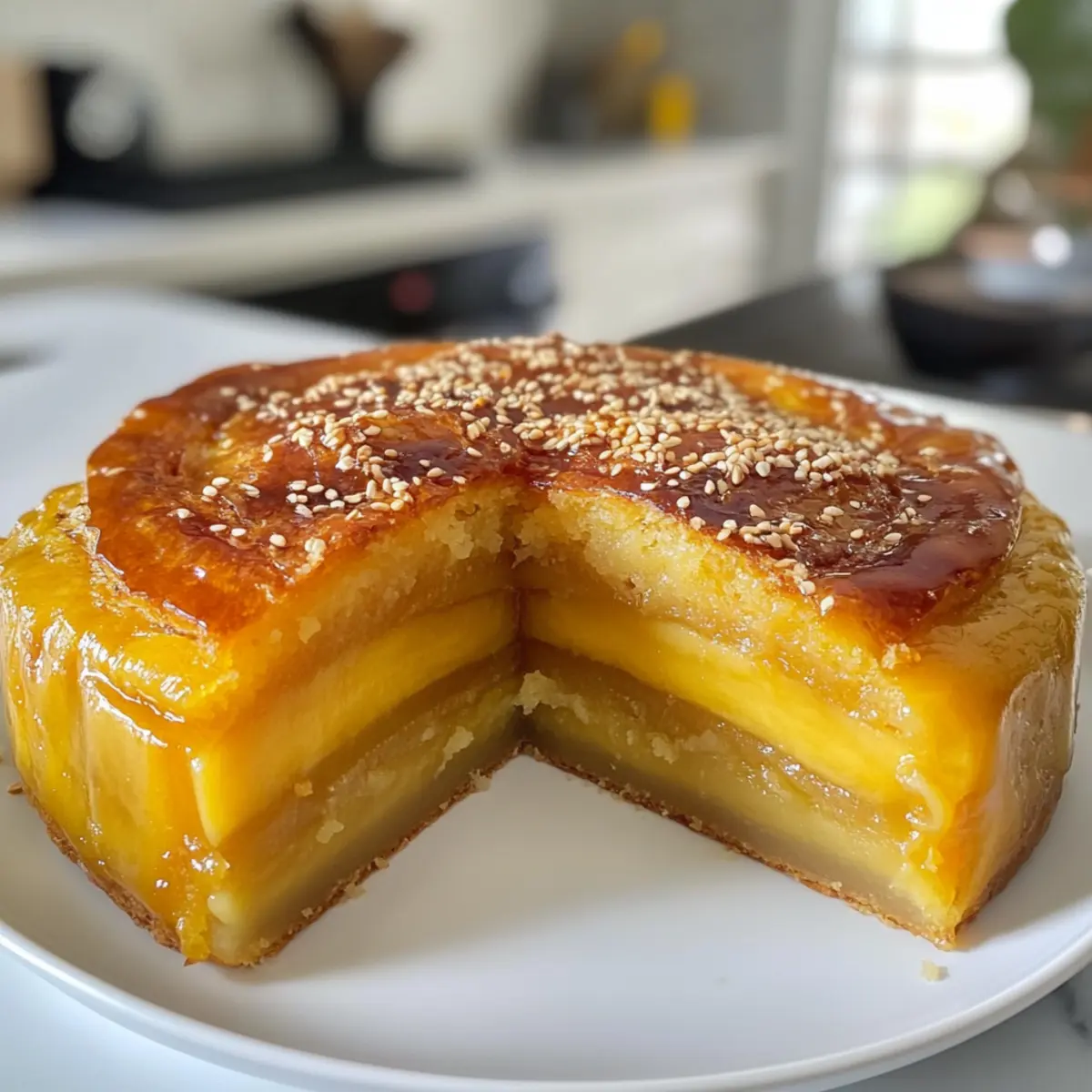
Vietnamese Steamed Banana Cake Variations
Feel free to explore and personalize your Vietnamese Steamed Banana Cake with these delightful variations and substitutions!
- Dairy-Free Sauce: Replace canned coconut milk with almond or cashew milk for a nutty twist. Just remember to add a little extra sweetness!
- Cinnamon Spice Boost: Enhance the flavor by adding a pinch of nutmeg or cardamom along with the cinnamon for a warm, aromatic experience. The blend offers an exciting depth of flavor!
- Flavorful Sweeteners: Swap out light brown sugar for maple syrup or agave nectar, which give the cake a distinctively different sweetness. Each sweetener carries its unique profile, resulting in a wonderful cake twist!
- Extra Toppings: Top your cake with shredded coconut or crushed nuts before steaming for added crunch and exotic flair. The textures play beautifully together, creating a delightful dessert experience!
- Tropical Fruit Addition: Mix in small pieces of mango or pineapple along with the bananas for a vibrant tropical medley. The extra fruit mingles well, adding bursts of sweet and juicy flavor!
- Texture Variants: Experiment by adding a touch of chia seeds or ground flaxseeds to the batter for a nutrient boost and an interesting texture. These additions blend well and pack extra health benefits!
- Heat Factor: For some warmth, add a pinch of cayenne or chili powder to the coconut sauce for those who enjoy a bit of spice. It contrasts beautifully with the sweetness of the cake, creating a balanced flavor profile.
- Serving with Variations: Consider serving your cake with a drizzle of homemade passion fruit sauce or a berry compote. These fruity additions not only elevate the cake but also offer stunning visuals for any gathering!
With these versatile variations, your Vietnamese Steamed Banana Cake can shine in numerous delightful ways! And if you’re looking for more delicious recipes featuring bananas, don’t miss my Banana Split Cake and Chai Cake Decadent for even more inspiration.
Expert Tips for Making Vietnamese Steamed Banana Cake
-
Quality Bananas Matter: Always choose pisang awak bananas for this recipe; other varieties won’t give you the same sweet and moist texture.
-
Measuring Accuracy: For the best results, weigh your ingredients in grams instead of using cups to ensure consistency in your Vietnamese Steamed Banana Cake.
-
Preventing Condensation: Wrap the lid of your steamer with a clean towel. This prevents water droplets from dripping onto the cake, which can alter the texture.
-
Choosing Flours Wisely: Use fine quality tapioca starch and rice flour—a common mistake is using brands that aren’t finely milled, which can affect the cake’s chewiness.
-
Check for Doneness: Always perform a toothpick test in the center of the cake; it should come out clean when properly cooked. This ensures you’ve achieved that perfect soft-chewy texture!
Make Ahead Options
Preparing your Vietnamese Steamed Banana Cake ahead of time is a fantastic way to streamline your meal planning! You can mix the dry ingredients and marinate the pisang awak bananas up to 24 hours in advance, keeping them covered in the fridge to maintain their flavor and freshness. When you’re ready to serve, simply combine the wet and dry ingredients with the marinated bananas and steam as instructed. For optimum results, ensure you steam the cake fresh on the day you plan to enjoy it, as this preserves its delightful soft and chewy texture. With these make-ahead tips, you can savor the taste of homemade goodness without the last-minute hustle!
What to Serve with Vietnamese Steamed Banana Cake
The perfect meal isn’t complete without delightful accompaniments that enhance every layer of flavor.
- Coconut Curry Soup: This creamy and fragrant soup pairs beautifully, complementing the cake’s tropical notes while adding a warm, comforting finish.
- Fresh Mango Salad: A refreshing salad featuring juicy mango, mint, and lime adds a zesty contrast that balances the cake’s sweetness.
- Sliced Fresh Fruits: Bright fruits like pineapple and kiwi bring a tropical vibe and vibrant freshness that elevate your dessert experience.
- Pandan Rice: Soft, aromatic rice infused with pandan leaves provides a subtly sweet and fragrant base that works well with the cake’s flavors.
- Tea or Coffee: Serve alongside a cup of jasmine tea or a rich Vietnamese coffee for a delightful combination of warmth and flavor.
- Chocolate Dipping Sauce: A rich chocolate sauce offers an indulgent sweetness, perfect for those looking to add a decadent twist to their dessert experience.
- Toasted Coconut Flakes: Sprinkling some toasted coconut on top not only adds texture but enhances the tropical essence with every bite.
- Coconut Ice Cream: A scoop of creamy coconut ice cream adds a cool contrast while echoing the coconut flavor from the sauce.
- Sesame Cookies: Crunchy, nutty sesame cookies provide a contrasting texture that rounds out the texture and flavors of the meal.
How to Store and Freeze Vietnamese Steamed Banana Cake
Fridge: Store leftover Vietnamese Steamed Banana Cake in an airtight container for up to 3 days. Keeping it sealed will help retain its soft and chewy texture.
Freezer: If you want to keep your cake longer, wrap it tightly in plastic wrap and place it in a freezer-safe container. It can be frozen for up to 2 months.
Reheating: To enjoy the cake again, simply thaw it in the fridge overnight and reheat in the microwave for about 20-30 seconds. This will bring back its delightful warmth and texture.
Serving Warm: For the best experience, serve the cake warm with a drizzle of coconut sauce after reheating; it enhances the tropical flavors beautifully.
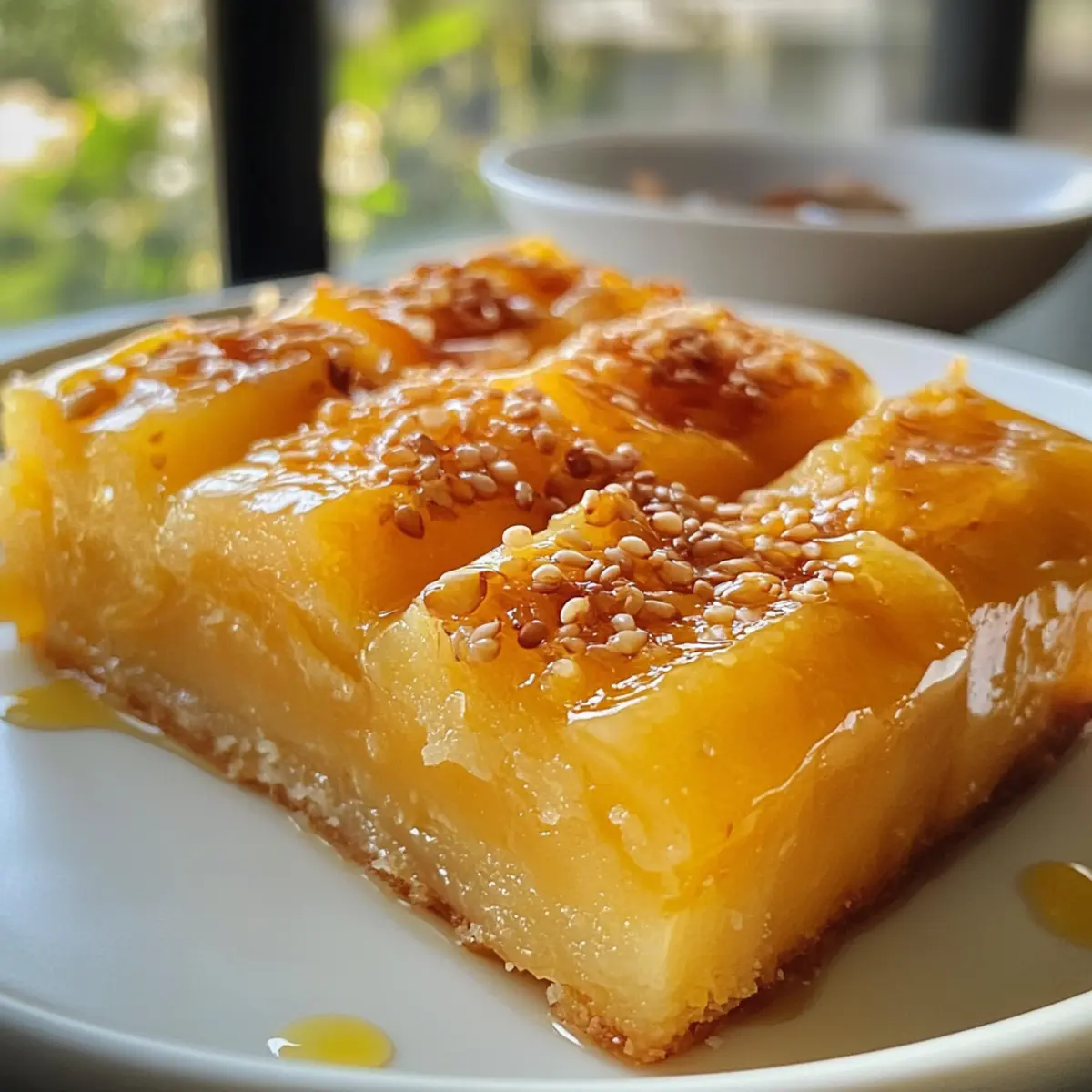
Vietnamese Steamed Banana Cake Recipe FAQs
What type of bananas should I use?
Absolutely! For this recipe, it’s important to use pisang awak bananas as they provide the natural sweetness and moisture that gives the cake its characteristic texture. Substituting with other banana varieties can lead to different textures and flavors, so for the best results, stick with pisang awak!
How do I store leftovers of the Vietnamese Steamed Banana Cake?
You can store your leftover Vietnamese Steamed Banana Cake in an airtight container in the refrigerator for up to 3 days. Make sure it’s well-sealed to help retain its delightful soft and chewy texture. When you’re ready to enjoy it again, a quick reheat in the microwave will bring it back to its warm glory!
Can I freeze the cake? If so, how?
Yes, you can absolutely freeze the Vietnamese Steamed Banana Cake! Wrap it tightly in plastic wrap and place it in a freezer-safe container. It can be kept in the freezer for up to 2 months. When you’re ready to eat it, simply thaw it in the fridge overnight and reheat in the microwave for about 20-30 seconds to enjoy its flavors again.
What should I do if my cake turns out too dense?
If you find that your Vietnamese Steamed Banana Cake has turned out too dense, it might be due to the flour type or the mixing process. Ensure you’re using fine-quality tapioca starch and rice flour, as poorer quality can impact the texture. Mixing the wet and dry ingredients too vigorously can also lead to a denser cake. Focus on folding the batter gently and allow for the proper marinating time for the bananas.
Is this cake suitable for people with dietary restrictions?
Very much so! This Vietnamese Steamed Banana Cake is gluten-free, dairy-free, and vegan, making it a wonderful dessert option for those with dietary restrictions. Just double-check the labels on your ingredients, such as confirming your cornstarch and coconut milk are free from any non-vegan additives.
What variations can I try with this recipe?
You can absolutely get creative with this Vietnamese Steamed Banana Cake! Consider adding shredded coconut, chopped nuts, or different sweeteners like maple syrup or agave for a unique flavor profile. You might also explore various toppings such as fruit purees to switch things up!
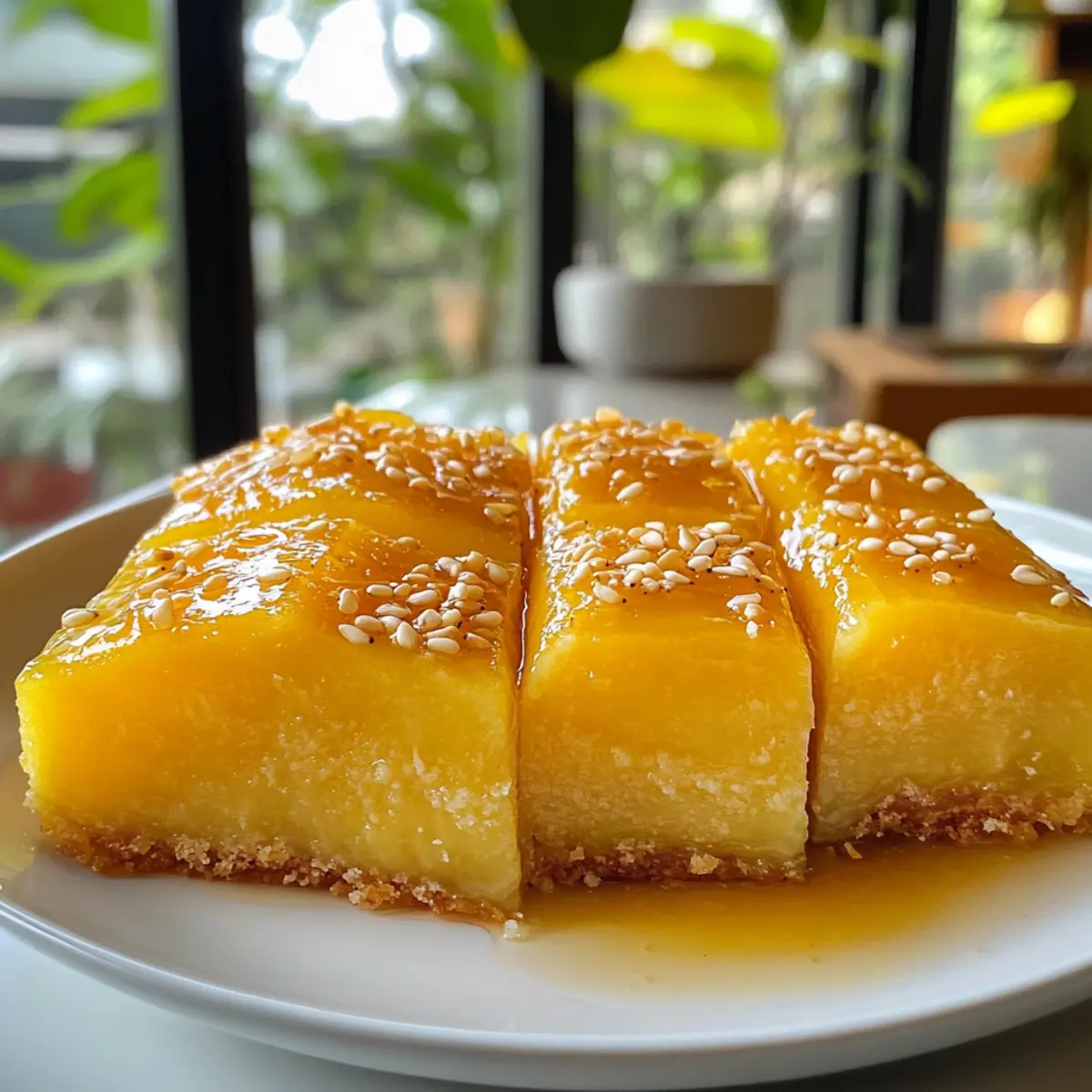
Vietnamese Steamed Banana Cake: A Soft Vegan Tropical Treat
Ingredients
Equipment
Method
- Prepare the bananas by peeling and slicing them thinly, then marinate with light brown sugar for 10-20 minutes.
- Mix the dry ingredients: combine tapioca starch, rice flour, salt, and cinnamon in a mixing bowl.
- Add water gradually to create a smooth batter, adjusting for consistency.
- Fold the marinated bananas into the batter, reserving some for decoration.
- Pour the batter into a greased loaf pan and arrange reserved banana slices on top.
- Steam the cake for 25-30 minutes until the center is cooked and edges pull away from the sides.
- Cool slightly before slicing and serve warm with coconut sauce and toasted sesame seeds.
Leave a Reply