
As I stood in my kitchen, the enticing aroma of spices wafted in the air, instantly transporting me to the bustling streets of Thailand. This Quick and Creamy Thai Coconut Shrimp Curry doesn’t just warm the soul; it’s a vibrant symphony of flavors that celebrates fresh shrimp and sweet bell peppers in a luxuriously creamy sauce. Not only is it a breeze to whip up, making it perfect for a satisfying weeknight dinner, but it’s also customizable—allowing you to adjust the spice level to your personal liking! With its gluten-free option and comforting richness, this dish is destined to become a staple in your family meal rotation. Ready to discover how to create this mouthwatering masterpiece? Let’s dive in!
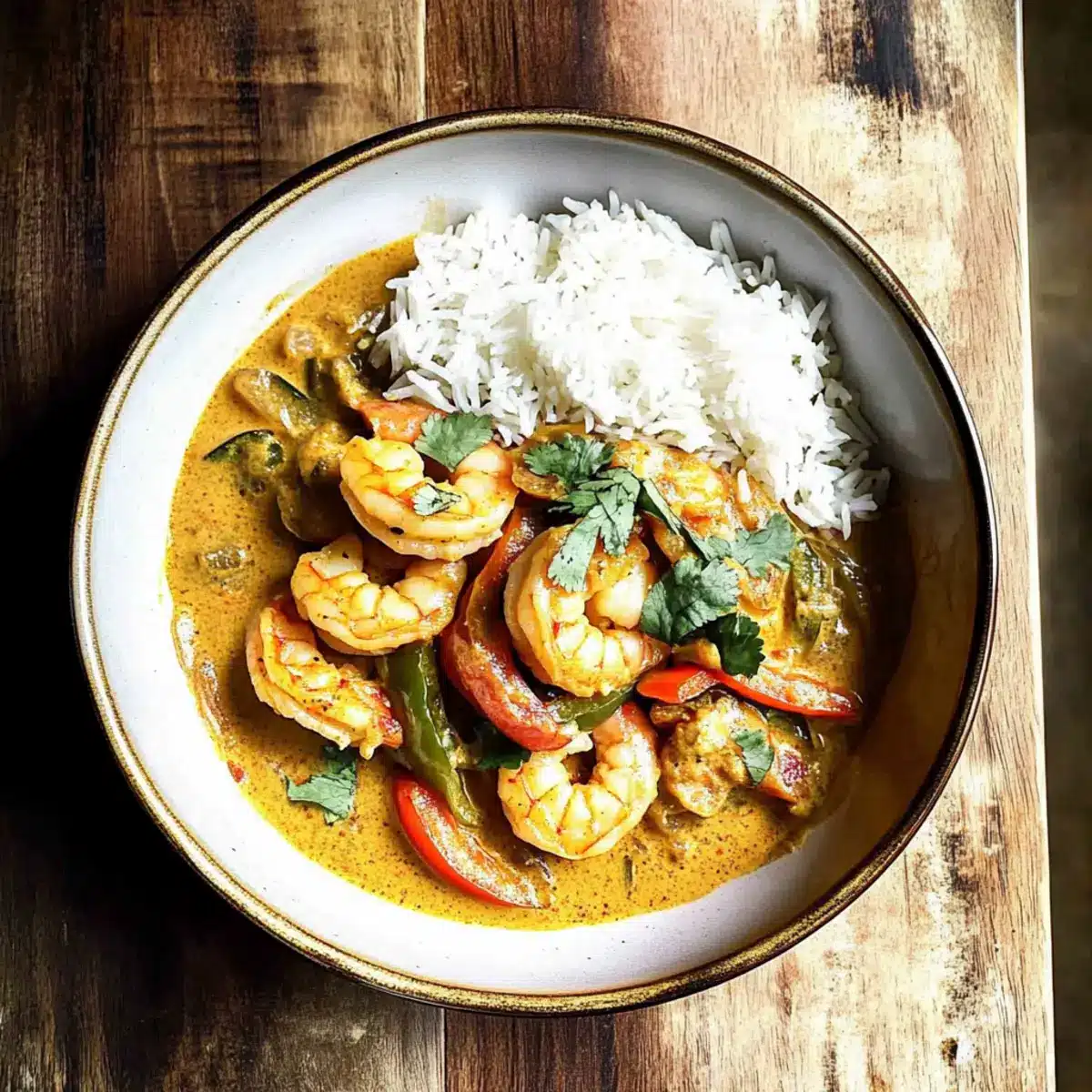
Why Will You Love This Curry?
Quick and Easy: Preparing this delightful dish only takes 30 minutes, making it a perfect option for busy weeknights or last-minute dinner guests.
Endless Customization: Whether you stick with shrimp or opt for chicken or tofu, you can tailor this Indian-inspired delight to suit your taste preferences.
Flavor Explosion: The combination of Thai red curry paste, garlic, and fresh ginger ensures that every bite is bursting with flavor!
Impressively Creamy: The rich coconut milk creates a velvety sauce that envelops the shrimp and vegetables, making it as luxurious as it is satisfying.
Gluten-Free Goodness: With a simple swap of soy sauce, you can enjoy this dish worry-free, catering to various dietary needs.
Craving more incredible seafood dishes? Check out our Keto Garlic Shrimp Au Gratin and experience another burst of flavor!
Thai Coconut Shrimp Curry Ingredients
For the Shrimp
- Shrimp – 1 pound, peeled and deveined; this is your primary protein source for the dish.
- Low Sodium Soy Sauce – 1 tsp; enhances umami flavor without excess sodium. Regular soy sauce can be used, adjusting quantity to taste.
For the Sauce
- Red Pepper Flakes – ½ tsp; adds the heat you crave. Adjust quantity to increase or decrease spice level.
- Turmeric – ½ tsp; provides color and earthy flavor. Can substitute with curry powder for a different spice profile.
- Garlic Powder – 1 tsp; adds depth of flavor. Fresh garlic can be used instead (4 cloves, grated).
- White Pepper – ¼ tsp; this offers subtle heat. Black pepper may be used as a substitute.
- Coconut Milk – 1 can (14 oz), full fat; contributes the creaminess that makes this Thai Coconut Shrimp Curry irresistible.
For the Vegetables
- Bell Pepper – 1, sliced; adds sweetness and crunch. Substitute with zucchini or bok choy for variation.
- Shallot – 1, finely chopped; adds sweetness and depth. Can substitute with yellow onion.
- Garlic Cloves – 4, grated; enhances the aromatic flavor of your curry. Crushing is also an option if preferred.
- Freshly Grated Ginger – 1 tbsp; delivers warmth and spice, but ground ginger can be used in a pinch.
For Flavoring
- Thai Red Curry Paste – 3 tbsp; the main flavoring agent in this dish; can adjust depending on heat preference, and green curry paste can provide a different profile.
- Chicken Broth – ½ cup; adds a flavorful base. Use vegetable broth for a vegetarian option.
- Brown Sugar – 2 tsp; balances the spice and acidity in the dish. Coconut sugar is a wonderful substitute.
- Lime Juice – ½, juiced; enhances flavor with acidity. Lemon juice can serve as a substitute.
For Garnish
- Thai Basil – 1 handful, torn; adds aromatic freshness to your dish. Sweet basil works as a closer substitute.
- Toppings – Scallions, fried onions, cilantro, or chili pepper; these enhance the dish’s visual appeal and texture.
Get ready to savor each bite of this Thai Coconut Shrimp Curry, where every ingredient plays a delightful role in creating a truly homemade masterpiece!
Step‑by‑Step Instructions for Thai Coconut Shrimp Curry
Step 1: Prepare Shrimp
In a medium bowl, combine the peeled and deveined shrimp with low sodium soy sauce, red pepper flakes, turmeric, garlic powder, and white pepper. Toss the shrimp gently until they are well-coated, allowing the flavors to meld. Set aside for about 10 minutes to marinate as you prepare your other ingredients.
Step 2: Chop Ingredients
While the shrimp marinates, take this time to chop and prepare your vegetables. Grate the ginger and garlic, finely chop the shallot, and slice the bell pepper into thin strips. Lay everything out in bowls for easy access, ensuring a smooth cooking process once you begin making your Thai Coconut Shrimp Curry.
Step 3: Sear Shrimp
In a large skillet, heat 1 tablespoon of vegetable oil and 1 tablespoon of unsalted butter over high heat until shimmering. Once hot, add the shrimp in a single layer and sear for about 1 minute on each side, or until they turn a lovely pink color. Remove the shrimp from the skillet and set them aside on a plate while keeping the skillet ready for the next steps.
Step 4: Sauté Vegetables
Using the same skillet, reduce the heat to medium. Add the sliced bell pepper and sauté for about 5 minutes until they begin to soften. Next, add the grated garlic, ginger, and finely chopped shallot. Cook for another 2 minutes, stirring frequently, until fragrant and the shallots become translucent, creating a flavorful base for your curry.
Step 5: Deglaze Skillet
Pour in the ½ cup of chicken broth, scraping up any browned bits from the bottom of the pan. Bring the mixture to a gentle simmer for about 2 minutes to allow the flavors to enhance and integrate, setting the stage for the star of the dish, the curry paste.
Step 6: Add Curry Paste
Stir in the 3 tablespoons of Thai red curry paste along with 2 teaspoons of brown sugar to balance the heat. Mix well with the simmering broth and then add any additional spices you’d like. Cook for about 1 minute, watching as the paste melts into the broth, turning it a vibrant red.
Step 7: Combine with Coconut Milk
Now, pour in the entire can of coconut milk and bring the mixture to a rolling boil. Once boiling, reduce the heat to a gentle simmer and let it cook for about 5 minutes, stirring occasionally. The sauce will thicken beautifully, enveloping the aromatic ingredients in creamy bliss.
Step 8: Finish Sauce
Stir in the freshly squeezed lime juice, optional sriracha for heat, and torn Thai basil leaves, mixing everything until well combined. Return the seared shrimp to the skillet, tossing them gently in the sauce. Allow everything to simmer together for just 1 more minute, so the shrimp absorb all those incredible flavors.
Step 9: Serve
Transfer your finished Thai Coconut Shrimp Curry to a serving dish and garnish with chopped scallions, fried onions, cilantro, or slices of chili pepper for an extra kick. Serve this flavorful creation alongside steamed rice and a light cucumber salad to complete a comforting and impressive meal!
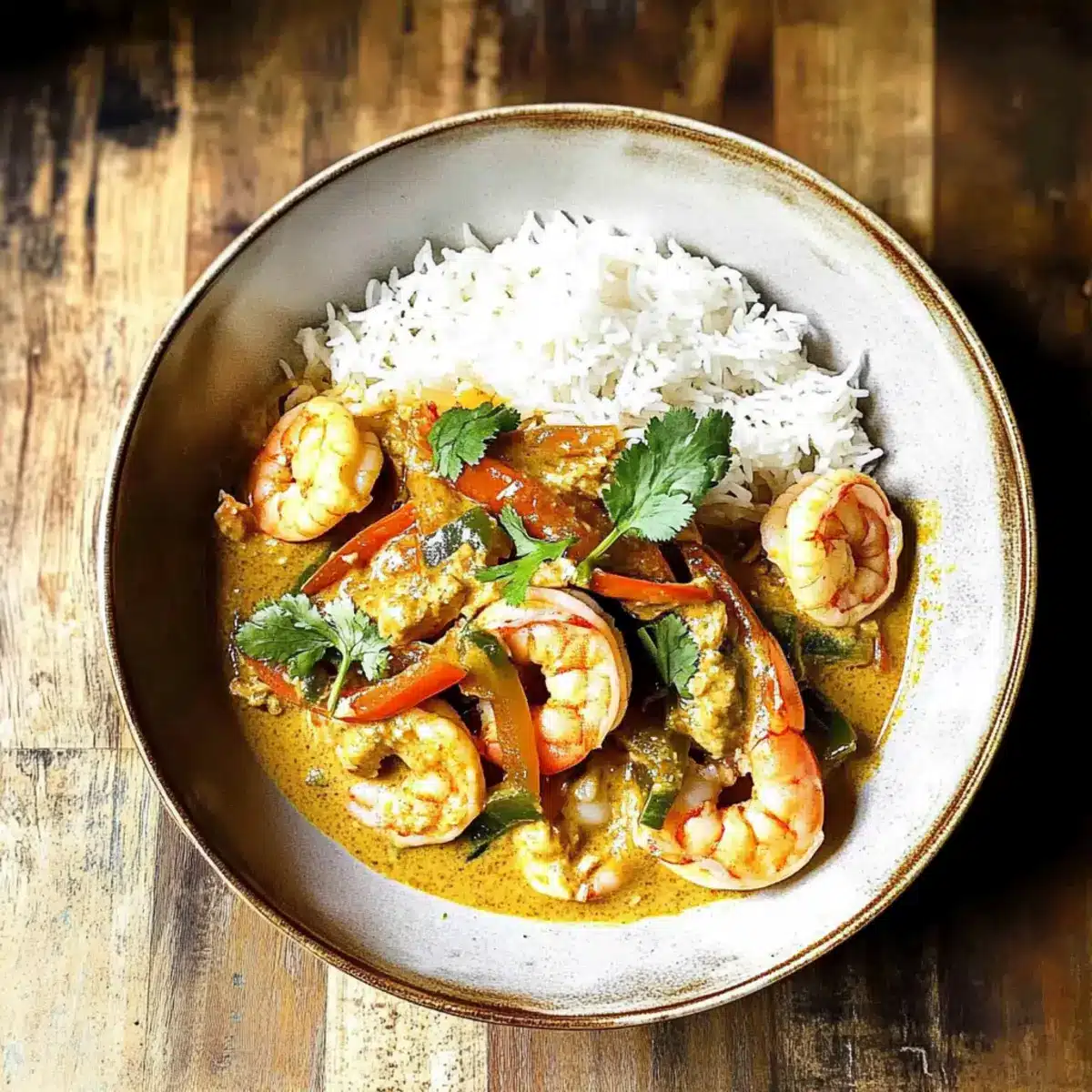
What to Serve with Thai Coconut Shrimp Curry
Transform your delightful curry into a complete culinary experience with these perfect pairings.
- Jasmine Rice: This fragrant rice absorbs the creamy coconut sauce beautifully, offering a comforting base for your shrimp curry. A classic, it’s a must-have companion.
- Cucumber Salad: Crisp and refreshing, a light cucumber salad adds a cooling contrast to the slightly spicy curry, balancing the rich flavors perfectly.
- Mango Sticky Rice: The sweetness of ripe mango with sticky rice brings a delightful dessert to the table, enhancing the tropical theme of your meal.
- Fresh Spring Rolls: Rolled up with crisp vegetables and herbs, these fresh spring rolls create a vibrant and healthy side, complementing the flavors of the curry.
- Roasted Vegetables: A mix of seasonal roasted veggies adds heartiness and color, offering a tender, sweet contrast against the rich shrimp curry. They bring warmth and depth.
- Thai Iced Tea: This sweet, creamy drink creates an enchanting pairing. Its distinct flavor complements the spices in the curry while providing a refreshing sip.
- Crispy Wontons: These crunchy delights can double as a fun appetizer or a side, enhancing the meal with an inviting texture that contrasts with the creamy curry.
Variations & Substitutions for Thai Coconut Shrimp Curry
Feel free to unleash your culinary creativity with these tasty twists that will make this dish your own!
-
Dairy-Free: Omit the butter for a fully dairy-free option without sacrificing flavor. The coconut milk already adds creaminess.
-
Vegetarian Delight: Replace shrimp with firm tofu or a combination of hearty vegetables like zucchini and bell peppers to craft a vegetarian masterpiece. Tofu absorbs all the delicious flavors from the sauce, making it satisfying and nutritious.
-
Different Proteins: Swap shrimp for chicken, beef, or even fish. Adjust cooking times as needed. Chicken thighs are juicy and will add wonderful depth to your curry.
-
Heat Level: For extra spice, add fresh chopped chilies or increase red pepper flakes. Remember, you can always start mild and build up to your preferred heat!
-
Flavor Boost: Incorporate fresh lime zest along with the lime juice to enhance the citrusy notes. This twist will brighten the dish beautifully.
-
Extra Veggies: Toss in other vegetables like snow peas, broccoli, or carrots to increase nutrition and texture. Each brings its unique crunch and vibrancy!
-
Sauce Variation: Use green curry paste instead of red for a fresher, more herbaceous flavor. You can also mix in a spoonful of peanut butter for a unique twist that marries beautifully with coconut.
For more delightful seafood recipes, don’t miss our flavorful Iced Coconut Matcha Latte or dive into the zesty experience provided by the Irresistible Shrimp Taco recipe!
How to Store and Freeze Thai Coconut Shrimp Curry
Fridge: Store leftover Thai Coconut Shrimp Curry in an airtight container for up to 3 days. Reheat gently on the stovetop, adding a splash of water or broth to maintain creaminess.
Freezer: For longer storage, freeze the curry in a freezer-safe container for up to 2 months. Allow it to cool completely before sealing. Thaw overnight in the fridge before reheating.
Reheating: When reheating from frozen, heat on low on the stovetop, stirring frequently until heated through. Add fresh lime juice to brighten the flavors before serving.
Airtight Guidance: Be sure to let the dish cool fully before transferring it to containers, helping prevent condensation and spoilage.
Helpful Tricks for Thai Coconut Shrimp Curry
-
Prep Ahead: Gather and chop all ingredients before cooking to ensure a smooth, stress-free cooking experience. This curry moves quickly after you start!
-
Marination Magic: Marinate the shrimp for at least 10 minutes to allow the soy sauce and spices to penetrate fully for maximum flavor in your Thai Coconut Shrimp Curry.
-
Searing Tips: Make sure your skillet is hot when searing shrimp to achieve a beautiful golden color and prevent sticking.
-
Thickening Sauce: If the sauce is too thin, let it simmer longer. Alternatively, a cornstarch slurry is a quick fix to thicken it up nicely.
-
Balance Flavors: Taste as you go! Don’t hesitate to adjust the sweetness or spice level with more brown sugar or red pepper flakes to suit your preferences.
Make Ahead Options
These Thai Coconut Shrimp Curry components are perfect for meal prep! You can marinate the shrimp in the soy sauce and spices up to 24 hours in advance, ensuring they infuse with flavor. Additionally, chop the vegetables and store them in an airtight container in the fridge for up to 3 days, preserving their freshness and crunch. When you’re ready to prepare your curry, simply sauté the vegetables, add the broth and curry paste, then stir in the marinated shrimp and coconut milk. This way, you’ll enjoy a delicious homemade meal on busy nights, with flavors just as rich and satisfying as freshly made!
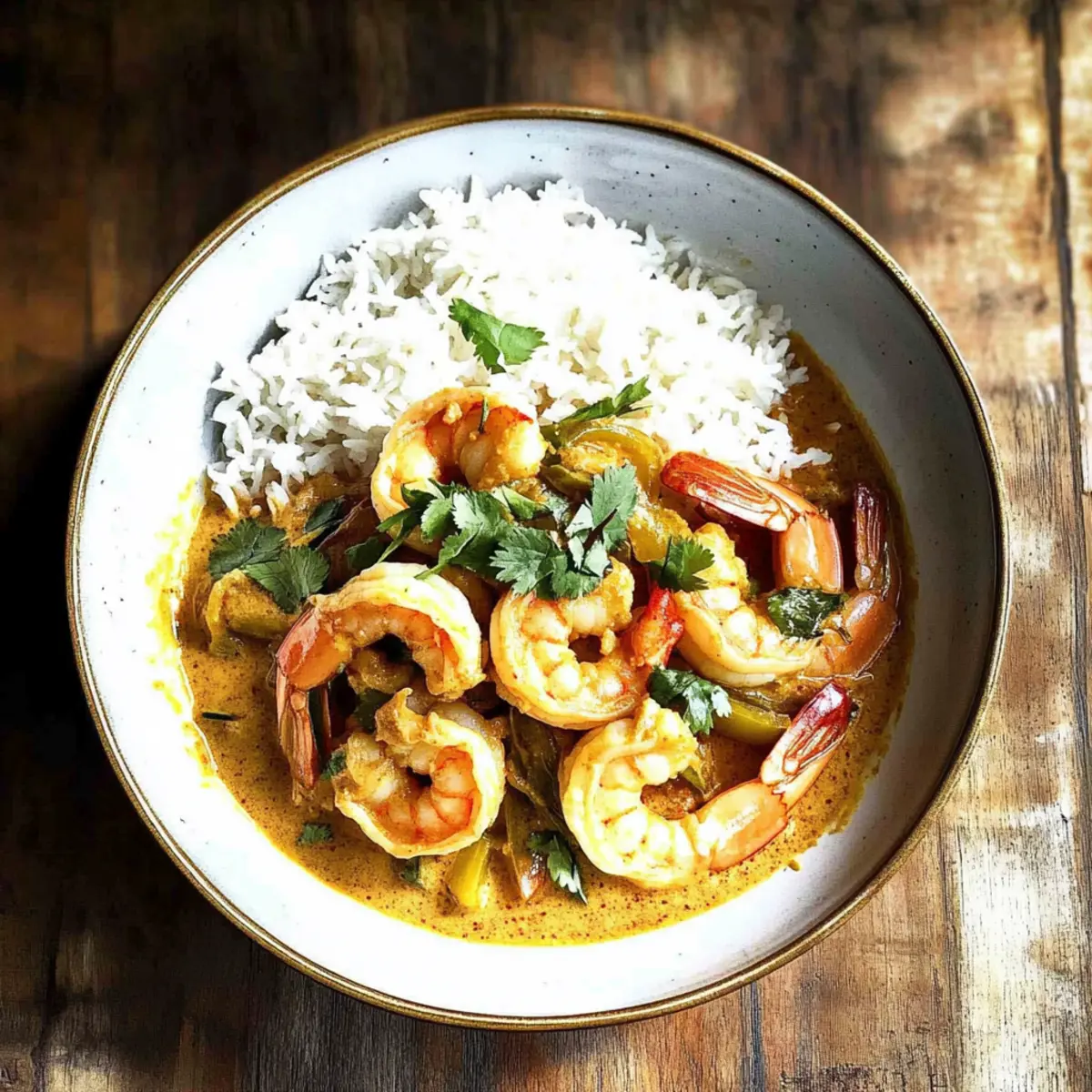
Thai Coconut Shrimp Curry Recipe FAQs
What type of shrimp should I use for this recipe?
Absolutely! For the best flavor and texture, use raw, peeled, and deveined shrimp. They cook quickly and will soak up all the delicious curry sauce. If you’re looking for alternatives, chicken or tofu can also be used for a delightful twist!
How should I store the leftovers?
Store leftover Thai Coconut Shrimp Curry in an airtight container in the fridge for up to 3 days. When reheating, add a splash of water or broth to maintain the creamy texture while gently warming it up on the stovetop.
Can I freeze Thai Coconut Shrimp Curry?
Yes, you can! To freeze, cool the curry completely and transfer it to a freezer-safe container. It can be stored for up to 2 months. To defrost, place it in the refrigerator overnight before reheating it on low heat while stirring frequently. Adding fresh lime juice right before serving will enhance the flavor beautifully.
How do I adjust the spice level in this curry?
Very easily! If you prefer a milder curry, start with less Thai red curry paste and gradually add more until you reach your desired heat level. It’s always best to add spicy ingredients gradually, especially if you’re unsure about your guests’ preferences!
Are there any dietary considerations for this recipe?
Yes, this Thai Coconut Shrimp Curry can be made gluten-free by using gluten-free soy sauce. If you’re serving it to someone with shellfish allergies, simply substitute the shrimp with chicken or tofu, and ensure that any added sauces are also gluten-free and allergen-friendly.
What if my sauce is too thin?
The more the merrier, and there’s always a way to fix this! If your sauce is not thick enough, simply let it simmer longer until it reduces to your desired consistency. Adding a cornstarch slurry (1 tablespoon of cornstarch mixed with 2 tablespoons of water) can also help thicken the sauce quickly—just stir it in and cook for another minute until it thickens. Enjoy your cooking adventure!
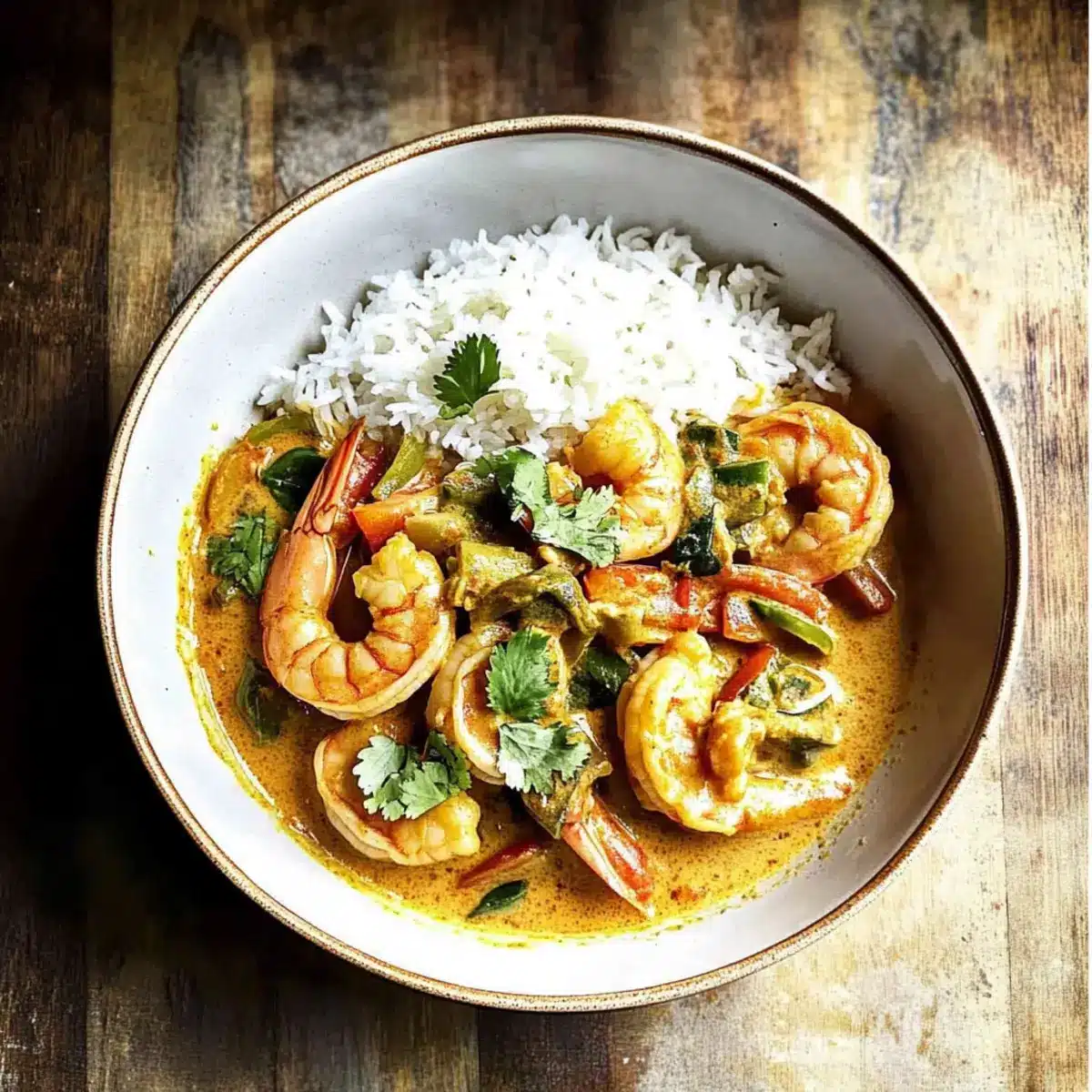
Deliciously Spicy Thai Coconut Shrimp Curry Made Easy
Ingredients
Equipment
Method
- In a medium bowl, combine the peeled and deveined shrimp with low sodium soy sauce, red pepper flakes, turmeric, garlic powder, and white pepper. Toss the shrimp gently until they are well-coated and set aside for about 10 minutes to marinate.
- While the shrimp marinates, chop and prepare your vegetables. Grate the ginger and garlic, finely chop the shallot, and slice the bell pepper into thin strips.
- In a large skillet, heat 1 tablespoon of vegetable oil and 1 tablespoon of unsalted butter over high heat. Add the shrimp in a single layer and sear for about 1 minute on each side. Remove the shrimp and set aside.
- Using the same skillet, reduce the heat to medium. Add the sliced bell pepper and sauté for about 5 minutes until they begin to soften. Add the grated garlic, ginger, and finely chopped shallot. Cook for another 2 minutes until fragrant.
- Pour in the chicken broth, scraping up any browned bits from the bottom of the pan. Bring to a gentle simmer for about 2 minutes.
- Stir in the Thai red curry paste and brown sugar. Cook for about 1 minute, stirring until well-combined.
- Pour in the coconut milk and bring to a rolling boil. Reduce the heat to a gentle simmer and let it cook for about 5 minutes, stirring occasionally.
- Stir in the lime juice and return the seared shrimp to the skillet. Allow everything to simmer together for just 1 more minute.
- Transfer your Thai Coconut Shrimp Curry to a serving dish and garnish with toppings such as scallions or cilantro. Serve with steamed rice.
Leave a Reply