
There’s something magical about the aroma that fills the kitchen when a pot of Beef Carbonnade is bubbling away. This hearty Belgian dish transforms ordinary beef short ribs into a comforting masterpiece, bathed in a rich beer-braised sauce that warms the soul. With minimal prep time and the promise of melt-in-your-mouth tenderness after a slow cook, it’s the perfect antidote to the chaos of fast food evenings. Just picture yourself serving this delightful beef stew over creamy mashed potatoes, where each bite is a hug in a bowl. Whether you’re an experienced home chef or just looking for a cozy dinner idea, this recipe for Beef Carbonnade is sure to become a cherished favorite. Ready to dive into this flavor-packed experience? Let’s get cooking!
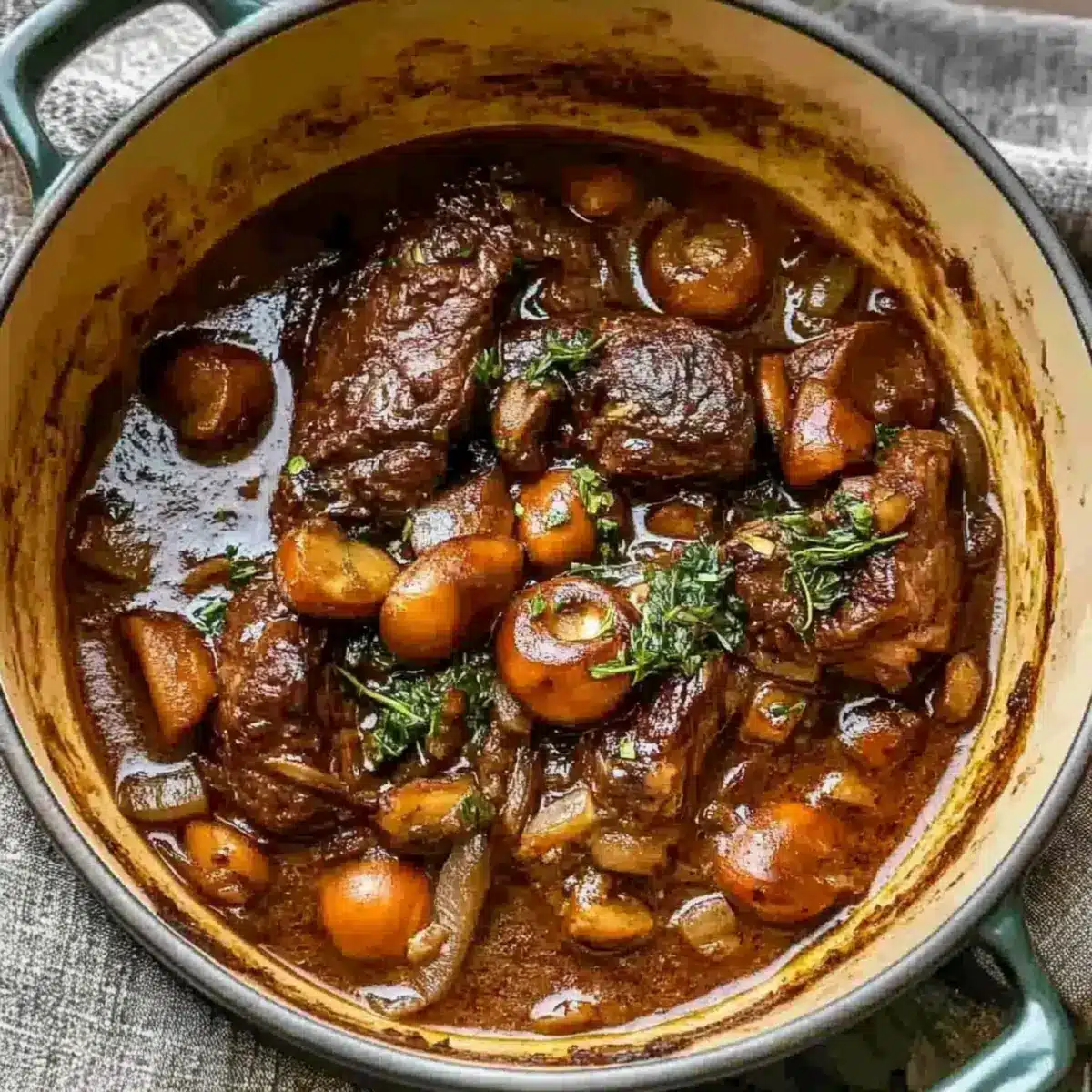
Why is Beef Carbonnade a Must-Try?
Simplicity at Its Best: You don’t need advanced culinary skills to create this delightful dish; just follow the straightforward steps.
Rich, Comforting Flavor: The combination of tender beef, beer, and sweet onions meld beautifully, offering a robust taste that captures the essence of slow-cooked meals.
Versatile Cooking Methods: Whether you choose a classic oven method or the ease of a slow cooker, this recipe adapts to your schedule and preference.
Crowd-Pleasing Appeal: Perfect for family gatherings or a cozy dinner for two, Beef Carbonnade is sure to impress, especially when served alongside mustard butter mashed potatoes or crusty bread.
Unique and Authentic: Experience the rich culinary traditions of Belgium right in your kitchen; this stew is comfort food at its finest and perfect for those who crave heartwarming, homemade dishes.
Beef Carbonnade Ingredients
• Dive into this comforting stew with key ingredients!
For the Stew
- Beef Short Ribs – The main protein source, providing rich flavor and melt-in-your-mouth tenderness. You can swap with beef chuck or veal for a different experience.
- Olive Oil – Essential for browning the meat and sautéing veggies; neutral oil or beef tallow can work as substitutes.
- Plain/All-Purpose Flour – Helps coat the ribs for browning and thicken the sauce; substitute with cornstarch for a gluten-free option.
- Carrot – Adds sweetness and depth to the stew; omit if you prefer a simpler flavor.
- Brown Onions – Bring sweetness and are crucial for flavor; yellow onions can step in as a substitute.
- Button Mushrooms – Contributes earthiness; feel free to leave them whole or slice; cremini or shiitake mushrooms are good alternatives.
- Speck – Adds a salty, smoky punch; bacon or pancetta are excellent substitutes.
- Tomato Paste – Infuses umami and color into the stew, enriching the sauce beautifully.
- Fresh Garlic – Elevates the dish’s flavor; you may use garlic powder if needed (1/8 teaspoon for each clove).
- Wholegrain Mustard – Provides tanginess and depth; Dijon mustard can be easily swapped in.
- Fresh Thyme & Rosemary – These fresh herbs elevate flavor; replace with dried herbs at a ratio of 1/3 dried for every 1 fresh.
- Beer – Key to the unique flavor; a lager works best, but you can use red wine (125ml) plus beef stock for a non-beer option.
- Beef Stock – Adds a rich liquid base for the sauce, enhancing overall flavor.
Now you’re set to create a warm, love-filled stew of Beef Carbonnade that will be a hit for any occasion!
Step‑by‑Step Instructions for Beef Carbonnade
Step 1: Preheat the Oven
Begin by preheating your oven to 160°C (320°F). This step is crucial, as a properly heated oven ensures that your Beef Carbonnade will cook evenly and thoroughly. While the oven warms, gather your ingredients to streamline the cooking process.
Step 2: Prepare the Beef
Cut the beef short ribs into individual pieces and dust them lightly with flour. This coating not only adds flavor but also helps thicken the stew as it cooks. Set the prepared ribs aside while you heat the olive oil in the next step.
Step 3: Brown the Ribs
In a large flameproof casserole dish, heat a generous amount of olive oil over medium-high heat. Add the floured beef ribs in batches, ensuring they brown nicely on all sides, which should take about 5-7 minutes per batch. Once browned, remove the ribs and set them aside on a plate.
Step 4: Sauté the Vegetables
In the same pot, add diced carrot, sliced onions, and whole or sliced mushrooms. Sauté over medium heat for about 5-6 minutes until the vegetables are softened and fragrant, stirring occasionally to avoid burning. Add diced speck at this stage for added depth of flavor.
Step 5: Incorporate the Paste and Garlic
Stir in the tomato paste and minced garlic, cooking for an additional 30 seconds until well combined. The tomato paste will add a rich umami flavor to your Beef Carbonnade, while the garlic infuses the dish with aromatic goodness.
Step 6: Add the Beer
Pour in the beer and bring the mixture to a simmer, scraping the bottom of the pot to incorporate all those tasty browned bits. This should take about 2-3 minutes, allowing the alcohol to cook off while infusing the stew with its unique flavor.
Step 7: Mix in the Mustard and Herbs
Stir in the wholegrain mustard, fresh thyme, and rosemary, ensuring everything is evenly combined. This aromatic blend enhances the character of your Beef Carbonnade. Make sure to scrape any remaining bits from the pot to maximize flavor.
Step 8: Return the Ribs to the Pot
Next, return the browned beef ribs to the pot, nestling them among the vegetables. Pour in the beef stock until the ribs are nearly submerged. Bring everything back to a simmer, creating a cozy and rich stew that will fill your kitchen with amazing scents.
Step 9: Bake the Carbonnade
Cover the casserole dish with a lid and transfer it to the preheated oven. Bake for 2 hours, or until the beef is fork-tender and the flavors have melded beautifully. Check occasionally to make sure it remains at a gentle simmer and doesn’t dry out.
Step 10: Final Touches and Serve
Once cooked, remove the pot from the oven and let it rest for a few minutes. Season your Beef Carbonnade with salt and pepper to taste before serving. This heavenly stew pairs perfectly with creamy mashed potatoes or crusty bread, inviting everyone to gather around the table.
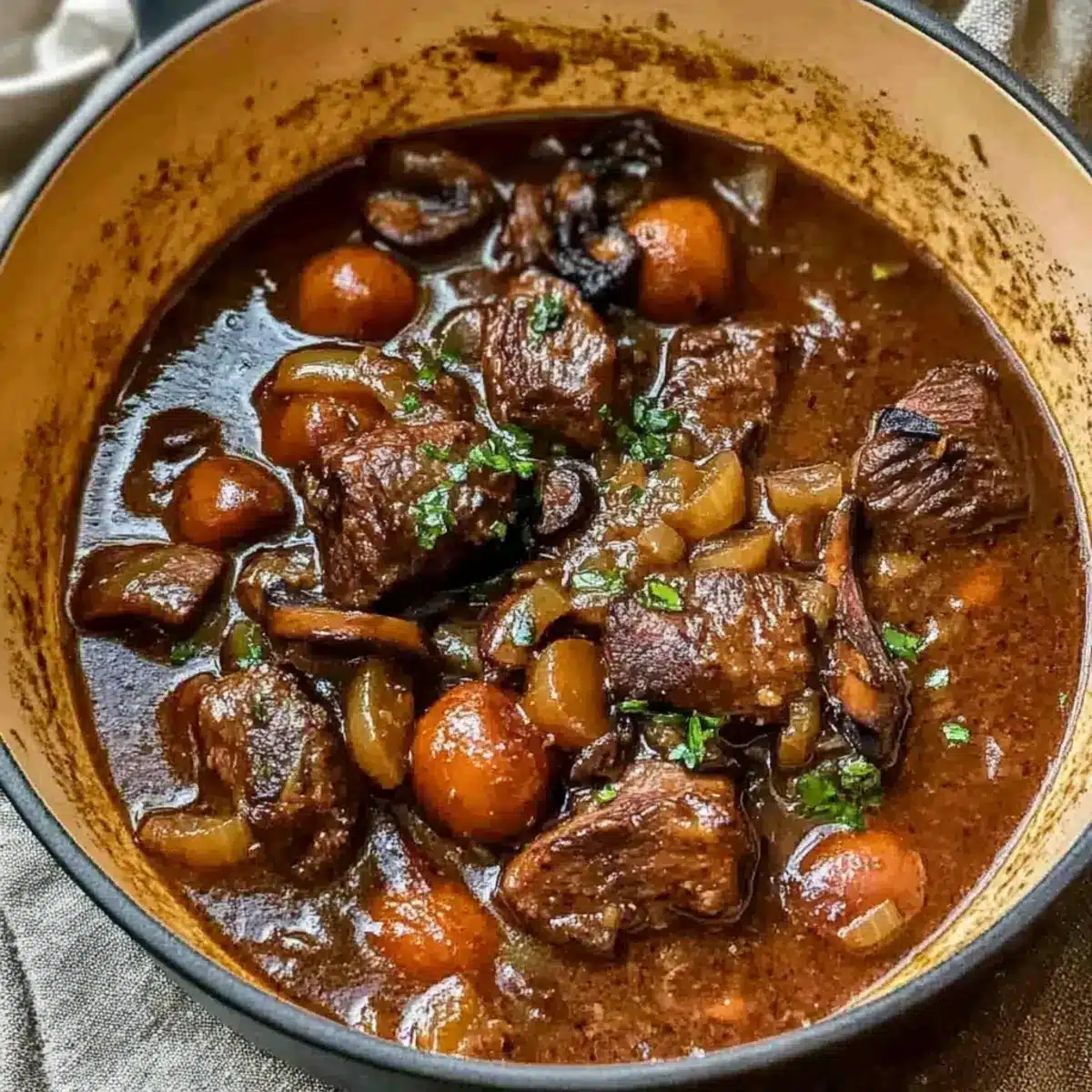
Beef Carbonnade Variations & Substitutions
Explore how you can personalize your Beef Carbonnade with these delightful twists and alternatives!
-
Veal Swap: Use veal instead of beef for a lighter and tender variation. The flavor profile remains rich, yet subtly different from the classic dish.
-
Gluten-Free Option: Substitute all-purpose flour with cornstarch for a gluten-free alternative. The outcome will still provide a thick, delicious sauce without compromising on taste.
-
Beer Alternatives: Experiment with different types of beer, such as a stout or porter, for a deeper flavor. Each version brings its own character, enhancing your dish with newfound richness.
-
Vegetable Boost: Add cubed potatoes or parsnips to the stew for extra textures and flavors. This will also make the meal heartier and more satisfying for everyone at the table.
-
Mushroom Variety: Mix different mushroom types like shiitake or oyster mushrooms for an earthy flavor twist. Each mushroom adds its unique flair to the dish, elevating the umami experience.
-
Tomato Elevation: Enhance the umami factor by adding a splash of balsamic vinegar or Worcestershire sauce along with the tomato paste. This small addition can take your stew to surprisingly delicious new heights.
-
Mustard Twist: Try swapping wholegrain mustard for spicy brown mustard if you crave a bit more zing. The slight heat will add an exciting kick to your Carbonnade.
-
Slow Cooker Adaptation: For busy evenings, transfer all ingredients to a slow cooker after browning. Cook on low for 6-8 hours for a convenient and deeply flavored meal, perfect for family gatherings.
With these creative variations, your Beef Carbonnade can become a staple in your home. If you’re exploring more options, consider checking out Ground Beef Enchiladas or our delectable Cheesy Ground Beef recipes for delightful inspiration!
What to Serve with Slow-Cooked Beef Carbonnade?
There’s nothing quite like creating a cozy meal that warms the heart and soul. Beef Carbonnade’s rich flavors effortlessly blend with complementary sides for a delightful dining experience.
- Creamy Mashed Potatoes: The buttery texture soaks up the luscious gravy, enhancing every bite with velvety goodness.
- Crusty Bread: Perfect for sopping up the hearty sauce, this addition adds a satisfying crunch and fresh flavor.
- Honey-Glazed Carrots: Their natural sweetness balances the savory stew, offering a pop of color and texture on the plate.
- Sautéed Green Beans: These tender-crisp beans add a bright, fresh contrast to the richness of the beef dish.
- Belgian Fries: Add a twist with this classic side; their crunch provides an enjoyable texture against the soft stew.
- Red Wine: A glass of bold red complements the beer-braised beef beautifully, enhancing the overall dining experience.
- Apple Crisp: The warm, spiced flavors of this dessert create a perfect sweet finish to a comforting meal like Beef Carbonnade.
- Pickled Red Onions: Topped over the stew, their tanginess cuts through the richness and brings brightness to each bite.
- Caesar Salad: Crunchy romaine and tangy dressing provide a refreshing balance to the slow-cooked stew.
How to Store and Freeze Beef Carbonnade
Fridge: Store leftovers in an airtight container in the fridge for up to 3 days. This hearty Beef Carbonnade actually develops richer flavors as it sits!
Freezer: Portion the stew into freezer-safe containers and freeze for up to 3 months. Label and date each container for easy identification.
Reheating: Thaw overnight in the fridge before reheating. Gently reheat on the stove over low heat, stirring occasionally until warmed through, or microwave in short intervals.
Airtight Guidance: Ensure all containers are tightly sealed to avoid freezer burn and retain the flavors of your delicious Beef Carbonnade.
Expert Tips for Beef Carbonnade
- Browning Matters: Ensure ribs are well-browned for maximum flavor; it creates a rich base for your stew. Don’t rush this step!
- Tenderness Check: If beef isn’t tender after 2 hours, continue cooking and check every 30 minutes. Slow cooking is key for optimal tenderness.
- Thickening Tip: For a thicker sauce, remove ribs after cooking and simmer the sauce on the stove until it reduces to your desired consistency.
- Slow Cooker Option: For convenience, this Beef Carbonnade can also be prepared in a slow cooker after initial sautéing steps, just transfer everything before cooking.
- Ingredient Substitutions: Feel free to swap some ingredients based on your preference; for example, red wine works beautifully instead of beer.
- Don’t Skimp on Herbs: Use fresh thyme and rosemary for the best flavor, but if using dried herbs, remember to reduce the quantity to avoid overpowering taste.
Make Ahead Options
Beef Carbonnade is ideal for meal prep, allowing you to savor its flavors with less weekday stress! You can brown the beef and sauté the vegetables up to 24 hours in advance; simply store them separately in airtight containers in the refrigerator to maintain freshness. The prepped ingredients can then be assembled and cooked as directed when you’re ready to serve. Another option is to prepare the entire dish up to 3 days ahead and refrigerate it. Just gently reheat before serving, as the flavors will only improve overnight. This approach not only saves time but ensures your comfort food is just as delicious when it’s time to enjoy it.
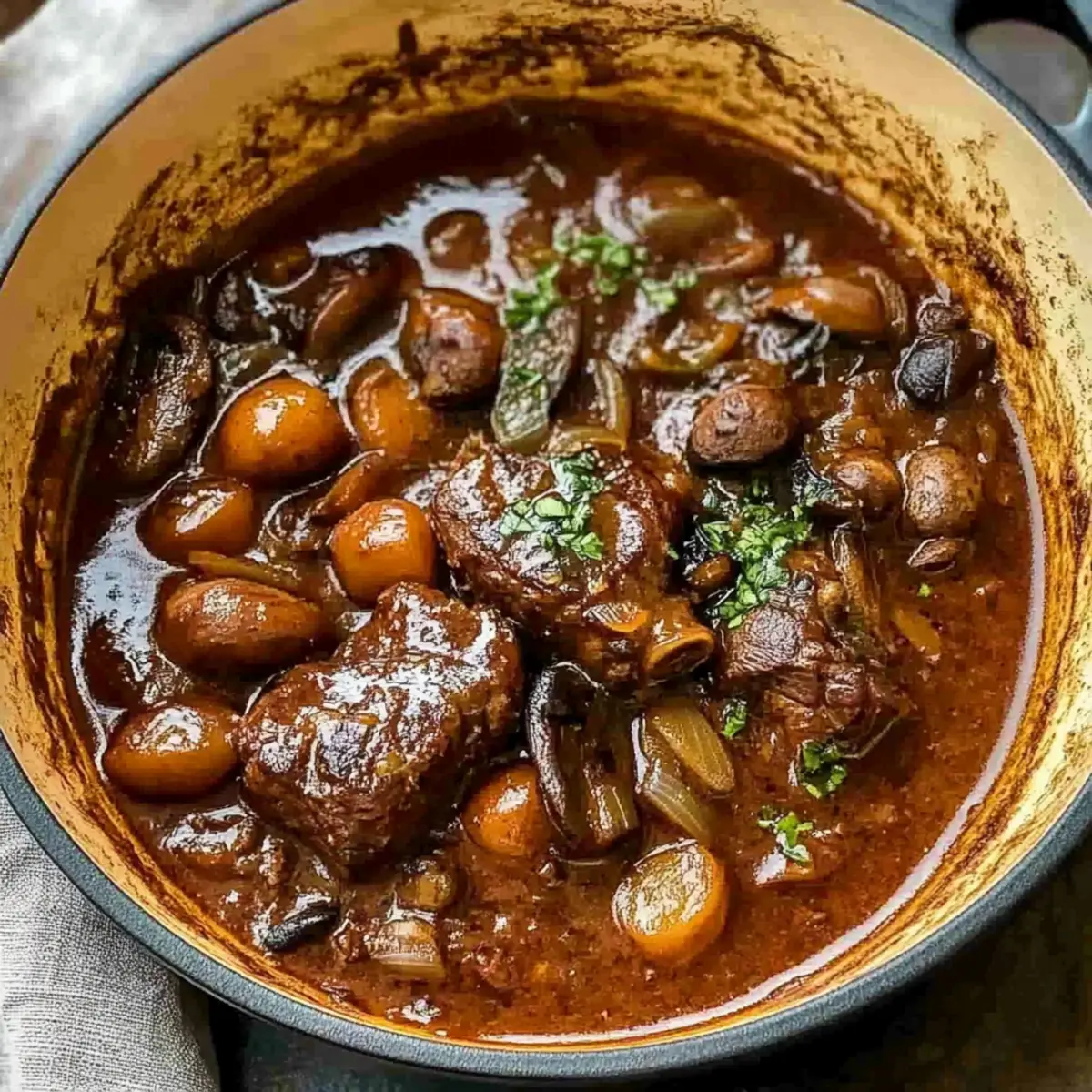
Beef Carbonnade Recipe FAQs
How do I select the right beef for Carbonnade?
Absolutely! For the best results, choose beef short ribs that are well-marbled, as the fat will break down during cooking and contribute rich flavor. Look for ribs that have a deep red color and firm texture; avoid any that have dark spots or an off-putting smell. If you can’t find short ribs, beef chuck or even veal can be great alternatives.
What’s the best way to store leftover Beef Carbonnade?
Very simple! Store any leftovers in an airtight container in the fridge for up to 3 days. This hearty stew often tastes even better on the second day as the flavors meld together beautifully. Make sure to let it cool completely before sealing to avoid condensation, which can make the stew watery.
Can I freeze Beef Carbonnade, and if so, how?
Of course! Freezing is a great way to preserve the Beef Carbonnade. Start by letting the stew cool to room temperature, then portion it into freezer-safe containers. I recommend labeling each container with the date so you can use them within 3 months. To thaw, simply place it in the fridge overnight before reheating on the stove over low heat, stirring occasionally.
What should I do if my Beef Carbonnade isn’t tender after cooking?
Don’t worry, this can happen! If the beef isn’t tender after 2 hours, simply cover it and continue cooking, checking every 30 minutes. The key is low, slow cooking, so give it time to become perfectly tender. You can also add a splash of beef stock if the sauce looks too thick; it aids in maintaining moisture.
Are there any dietary considerations for Beef Carbonnade?
Great question! If you are serving this dish to someone with dietary restrictions, you can easily adjust. Use gluten-free flour or cornstarch to thicken the stew and replace beer with 125ml of red wine plus beef stock. Make sure to check for allergies related to any smoked meats if using speck or pancetta. This stew can be made veggie-friendly by omitting the meat altogether and adding more hearty vegetables like mushrooms and root vegetables.
How long can I keep Beef Carbonnade leftovers before they spoil?
You can safely enjoy your Beef Carbonnade leftovers for up to 3 days if stored properly in the fridge. Just make sure to look for visual signs like off odors or changes in color before reheating. Always trust your senses!
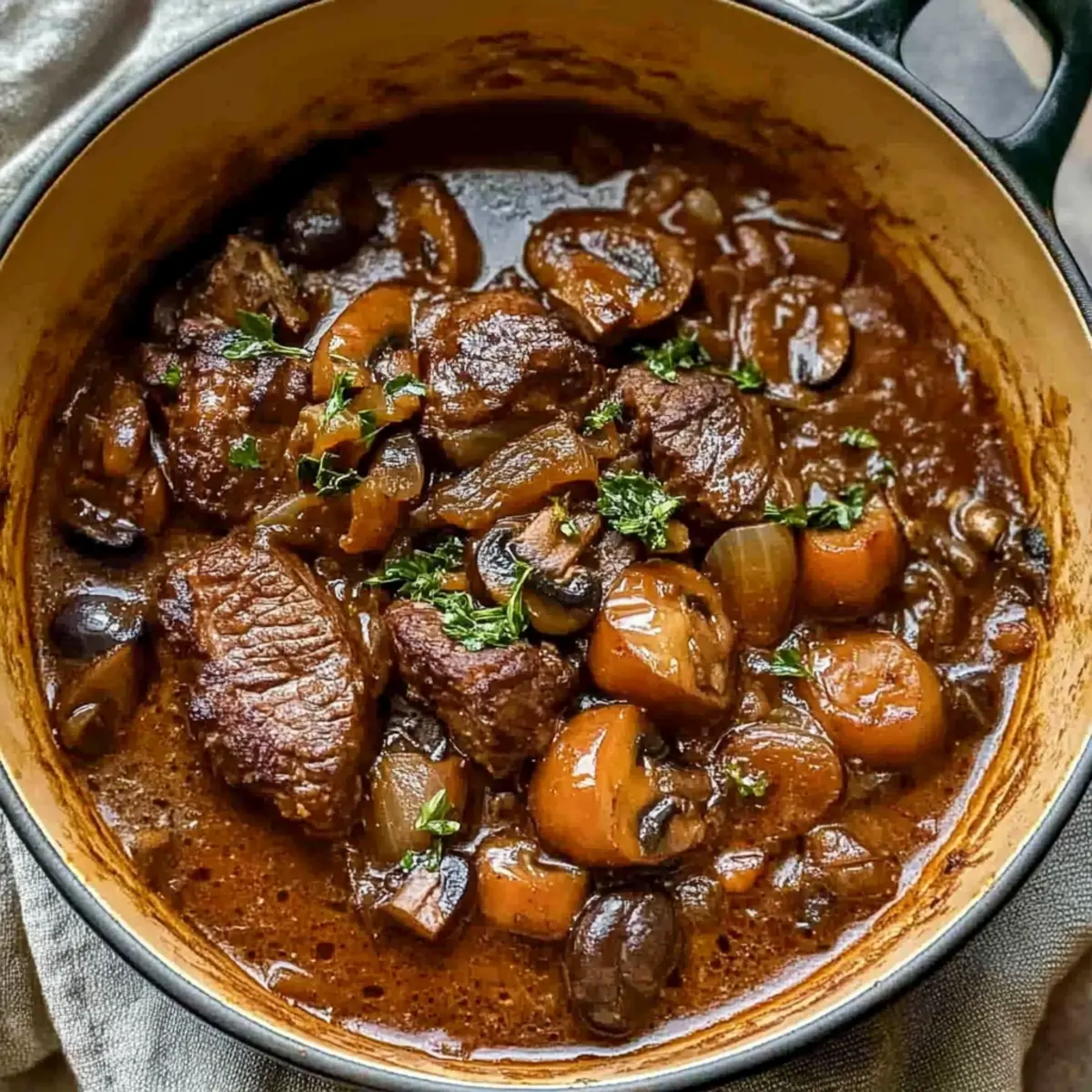
Hearty Beef Carbonnade: A Cozy, Slow-Cooked Delight
Ingredients
Equipment
Method
- Preheat your oven to 160°C (320°F). Gather your ingredients while the oven warms.
- Cut the beef short ribs into individual pieces and dust them lightly with flour.
- In a large flameproof casserole dish, heat olive oil over medium-high heat and brown the beef ribs in batches.
- Add diced carrot, sliced onions, and mushrooms to the pot and sauté for about 5-6 minutes until softened.
- Stir in tomato paste and minced garlic; cook for an additional 30 seconds.
- Pour in the beer and simmer, scraping the bottom for flavor for 2-3 minutes.
- Add wholegrain mustard, fresh thyme, and rosemary, mixing well.
- Return the browned beef ribs to the pot, pour in the beef stock, and bring to a simmer.
- Cover the dish and bake for 2 hours, or until beef is fork-tender.
- Let rest for a few minutes, then season with salt and pepper before serving.
Leave a Reply