
As I stood in my kitchen, the enticing aroma of something delicious wafted through the air, suddenly transforming my ordinary evening into a gourmet experience. Enter Baked Dijon Salmon—a dish that’s both elegant and easy, proving that fancy meals don’t need to be complex. This recipe stars succulent salmon fillets dressed in a zesty Dijon glaze and crowned with a crunchy pecan topping. Not only is this healthy dinner a crowd-pleaser, but its quick preparation makes it perfect for busy weeknights or special occasions. Whether you’re a passionate home chef or just looking to elevate your everyday meals, this beginner-friendly recipe will quickly become a staple in your home. Curious how something so simple can impress? Let’s dive into making this delightful dish!
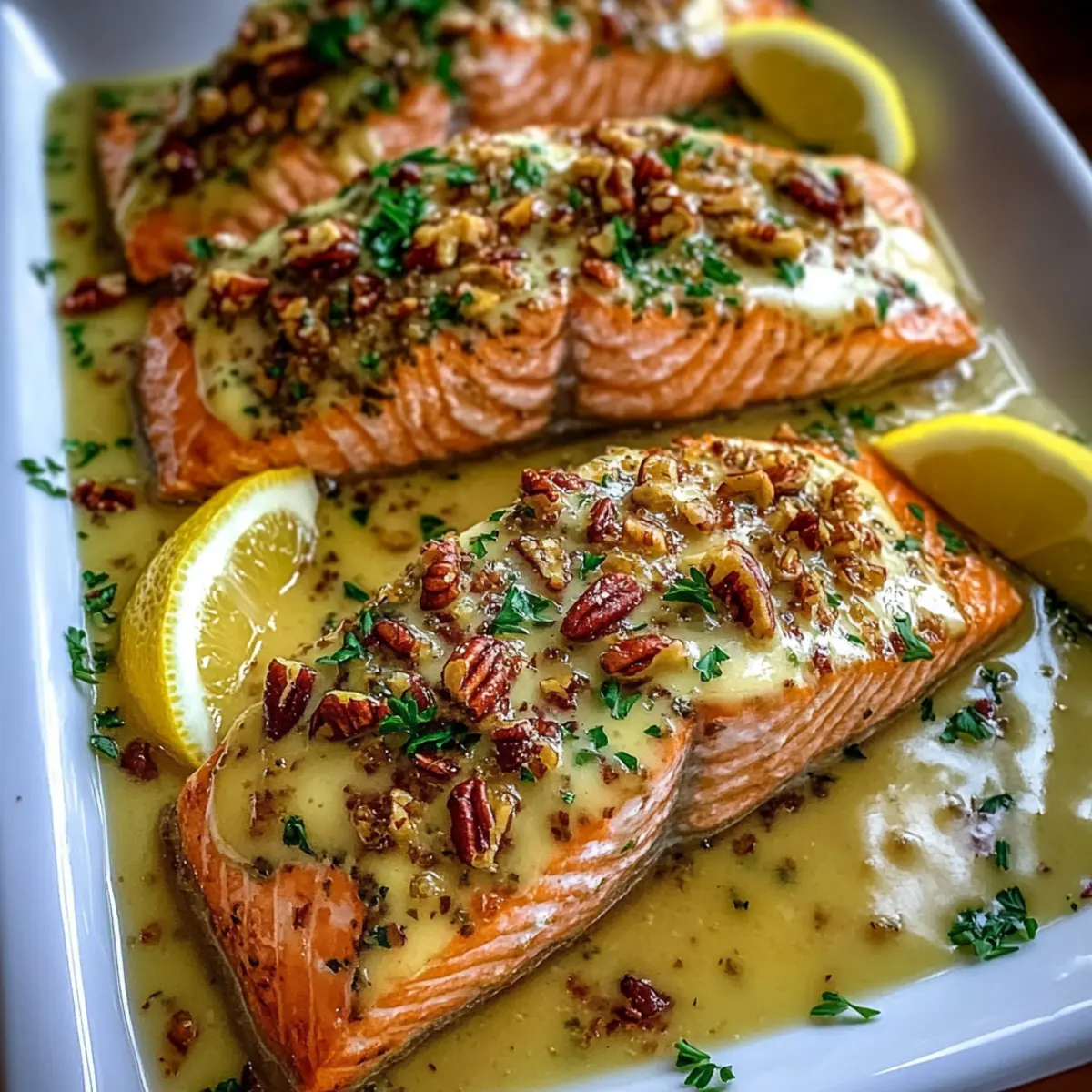
Why is Baked Dijon Salmon a must-try?
Simplicity on Your Plate: This dish requires minimal ingredients and effort, making it perfect for any home cook. Irresistible flavor: The zesty Dijon glaze melds perfectly with the crunchy pecan topping, creating an explosion of taste in every bite. Healthy and Nutritious: Packed with omega-3 fatty acids, it’s not just delicious but also beneficial for your health. Versatile Dish: Perfect on its own or paired with a fresh salad or herb-infused rice, like in our delicious recipes for Baked Teriyaki Salmon or Baked Meatballs Savory. This recipe is both a time-saver and a crowd favorite, ensuring you’ll impress at your dinner table without the fuss!
Baked Dijon Salmon Ingredients
For the Glaze
• Butter – Richness and moisture for glaze adherence; substitute with olive oil for a lighter option.
• Dijon Mustard – Adds sharp tanginess that enhances the salmon’s flavor; yellow mustard can be used as a substitute.
• Honey – Balances the tanginess with sweetness, aiding in caramelization; maple syrup can serve as a substitute.
For the Topping
• Dry Bread Crumbs – Provides structure and crispiness to the topping; use gluten-free bread crumbs for a GF option.
• Pecans – Introduces nuttiness and crunch; walnuts can be used instead for an alternative flavor.
• Fresh Parsley – Adds a fresh touch and color; chopped green onions can be substituted.
For the Salmon
• Salmon Fillets – The main protein, offering rich flavor and omega-3 fatty acids; use any firm white fish for variation.
• Salt and Pepper – Essential seasonings to enhance flavor; no substitutions needed.
• Lemon wedges – Optional garnish for acidity; can substitute with lime for a different citrus note.
Step‑by‑Step Instructions for Baked Dijon Salmon
Step 1: Preheat the Oven
Begin by preheating your oven to 400°F (200°C). This temperature is ideal for baking the salmon to perfection, allowing it to cook evenly while ensuring a crisp topping. Make sure to prepare your baking sheet by greasing it lightly with butter or cooking spray to prevent sticking.
Step 2: Mix the Glaze
In a small mixing bowl, combine 3 tablespoons of melted butter, 2 tablespoons of Dijon mustard, and 1 tablespoon of honey. Stir the ingredients together until they form a smooth, well-blended glaze. This mixture will not only add flavor but also help the topping stick to your salmon fillets.
Step 3: Prepare the Topping
In another bowl, mix together ½ cup of dry bread crumbs, ⅓ cup of chopped pecans, and 2 tablespoons of fresh parsley. This crunchy topping will bring a delightful texture to your Baked Dijon Salmon. Ensure everything is evenly distributed, creating a colorful and flavorful mixture for added richness.
Step 4: Season the Salmon
Place your salmon fillets skin-side down on the greased baking sheet. Season each fillet generously with salt and pepper to enhance their natural flavor. This step is essential for making your Baked Dijon Salmon truly savory and delicious. Make sure the fillets are evenly spaced to promote proper cooking.
Step 5: Apply the Glaze
With a spoon or pastry brush, spread the Dijon glaze evenly over the top of each salmon fillet. Ensure each piece is generously coated, allowing the flavors to seep into the fish as it bakes. The glaze not only adds flavor but also helps keep the salmon moist during cooking.
Step 6: Add the Topping
Press the breadcrumb and pecan mixture firmly onto the glazed salmon, making sure to cover the top completely. This layer will create a golden, crunchy exterior that’s perfect for your Baked Dijon Salmon. Gently pat the topping to ensure it adheres well, creating a flavorful crust.
Step 7: Bake the Salmon
Place the baking sheet in the preheated oven and bake the salmon for 12-15 minutes. Keep an eye on them, as they are done when they flake easily with a fork and have turned a lovely golden brown on top. This quick cook time is perfect for busy weeknights and ensures the salmon retains its moisture.
Step 8: Serve and Garnish
Once baked, remove the Baked Dijon Salmon from the oven and garnish with lemon wedges if desired. The freshness of lemon adds a bright finish to your dish. Serve immediately to enjoy the delightful contrast of flavors and textures while the salmon is still warm and fresh from the oven.
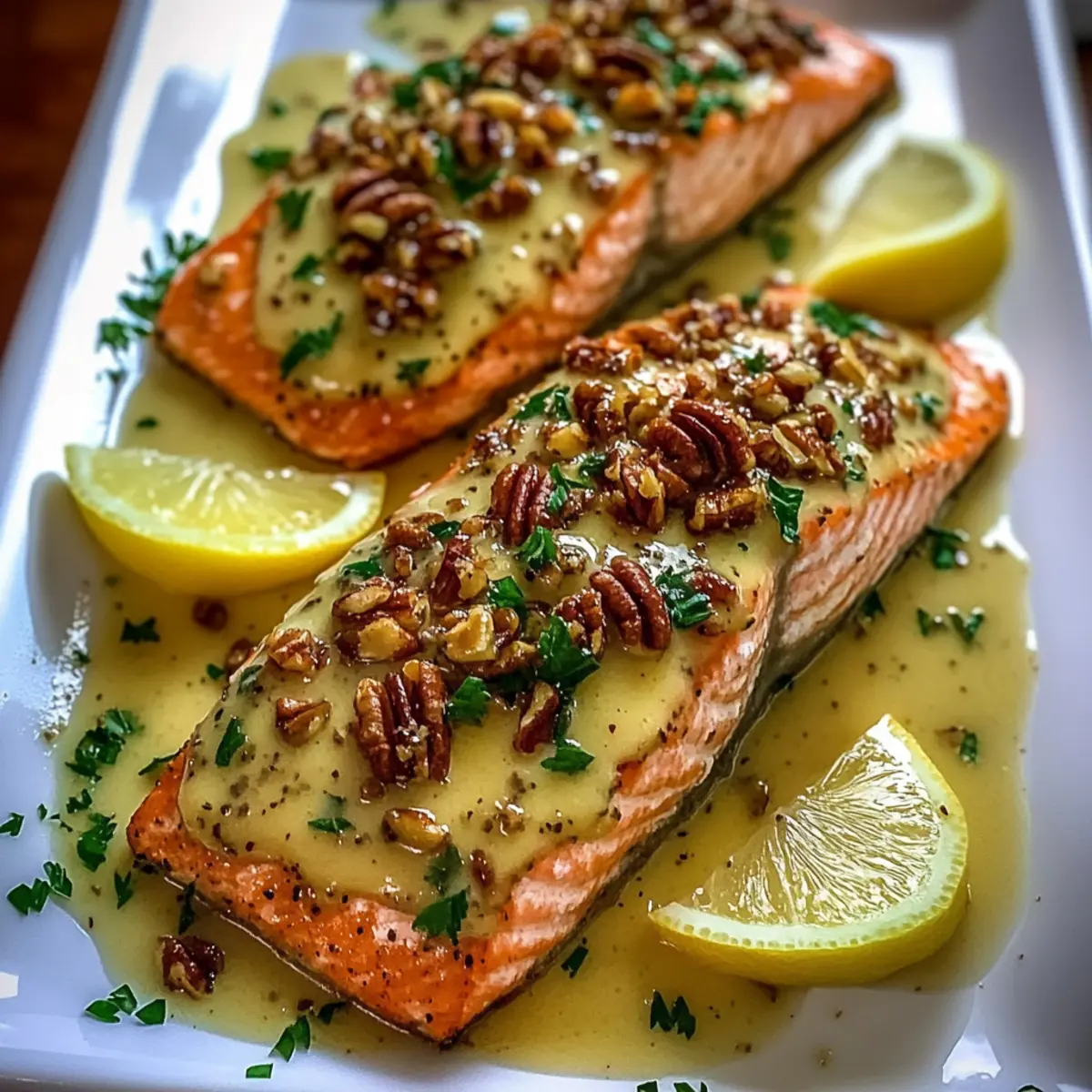
What to Serve with Baked Dijon Salmon?
Elevate your dining experience by pairing your main course with sides that complement the flavors beautifully.
-
Creamy Mashed Potatoes: The smooth, buttery texture pairs wonderfully with the crunchy topping, creating a comforting contrast in each bite.
-
Garlicky Green Beans: These bright green veggies add a fresh crunch and aromatic flavor that balances the richness of the salmon.
-
Quinoa Salad: A light, nutty salad with fresh herbs and a squeeze of lemon enhances the meal’s freshness while providing a healthy boost.
-
Citrusy Coleslaw: The zing from the dressing complements the Dijon glaze, offering a tangy crunch that perfectly offsets the savory salmon.
-
Herb-Infused Rice: The light, fragrant grains serve as a fluffy base, soaking up any juices from the fish, melding flavors seamlessly.
-
White Wine: A crisp Sauvignon Blanc enhances the dish’s zesty notes, elevating your meal into a memorable culinary experience.
Pair these delightful accompaniments with your Baked Dijon Salmon for a full meal that feels indulgent yet effortless.
Expert Tips for Baked Dijon Salmon
-
Pat Dry: Ensure salmon is completely thawed and patted dry before seasoning to ensure the glaze adheres well and the salmon cooks evenly.
-
Check Doneness: Avoid overcooking by checking for doneness at the lower end of the baking time; the salmon should flake easily with a fork for perfect Baked Dijon Salmon.
-
Add Spice: For an extra kick, mix a pinch of cayenne pepper into the breadcrumb topping. This will elevate the flavor profile without overwhelming the dish.
-
Glaze Generously: Don’t skimp on the Dijon glaze—apply it thickly to each fillet. This not only enhances meat flavor but also helps the topping stick beautifully.
-
Custom Texture: Feel free to mix different nuts into the topping. Experiment with walnuts or even almonds for variation, each will bring unique flavors to your Baked Dijon Salmon.
Storage Tips for Baked Dijon Salmon
Fridge: Store leftover Baked Dijon Salmon in an airtight container for up to 2-3 days. Make sure it’s completely cooled before sealing to preserve quality.
Freezer: For longer storage, freeze the salmon in a well-wrapped package or airtight container for up to 3 months. Thaw in the fridge overnight before reheating.
Reheating: When ready to serve, reheat the salmon in a 300°F oven to maintain its crispiness without drying out, just for about 10-15 minutes.
Serving Suggestion: Consider pairing reheated salmon with fresh sides like a salad or steamed vegetables for a complete and delightful meal.
Baked Dijon Salmon Variations
Feel free to personalize this delightful dish with these easy and tasty twists that will make your Baked Dijon Salmon uniquely yours!
-
Nut Alternatives: Swap pecans for walnuts or cashews for a different, delightful crunch. Cashews lend a buttery taste that’s simply irresistible!
-
Spice It Up: Incorporate spices like paprika or cayenne for a fiery kick. A little heat will beautifully contrast the sweetness of the glaze, creating a tantalizing flavor balance.
-
Cheesy Delight: Add a layer of shredded cheese like mozzarella or goat cheese on top before baking. This gives a creamy, rich texture that pairs perfectly with the Dijon glaze.
-
Herb Freshness: Mix in fresh herbs like dill or thyme into the topping for an aromatic boost. Their fresh fragrance will elevate your salmon to a new level of gourmet!
-
Tomato Twist: Layer thinly sliced tomatoes on the salmon before adding the topping. The juicy tomatoes add moisture and brightness to your dish, enhancing its flavor profile tremendously.
-
Citrus Swap: Instead of lemon, use lime wedges for a zestier finish. Lime adds a refreshing twist that complements the salmon beautifully.
-
Whole Grain Crunch: Replace dry bread crumbs with crushed whole-grain cereal for added texture and a nutty flavor. This simple swap will make your topping even crunchier!
Expand your culinary horizons by trying out some of these variations, and enjoy the delightful possibilities! If you love easy and delicious seafood dishes, check out my recipes for Baked Swordfish Lemon and Crispy Baked Eggplant for more inspiration!
Make Ahead Options
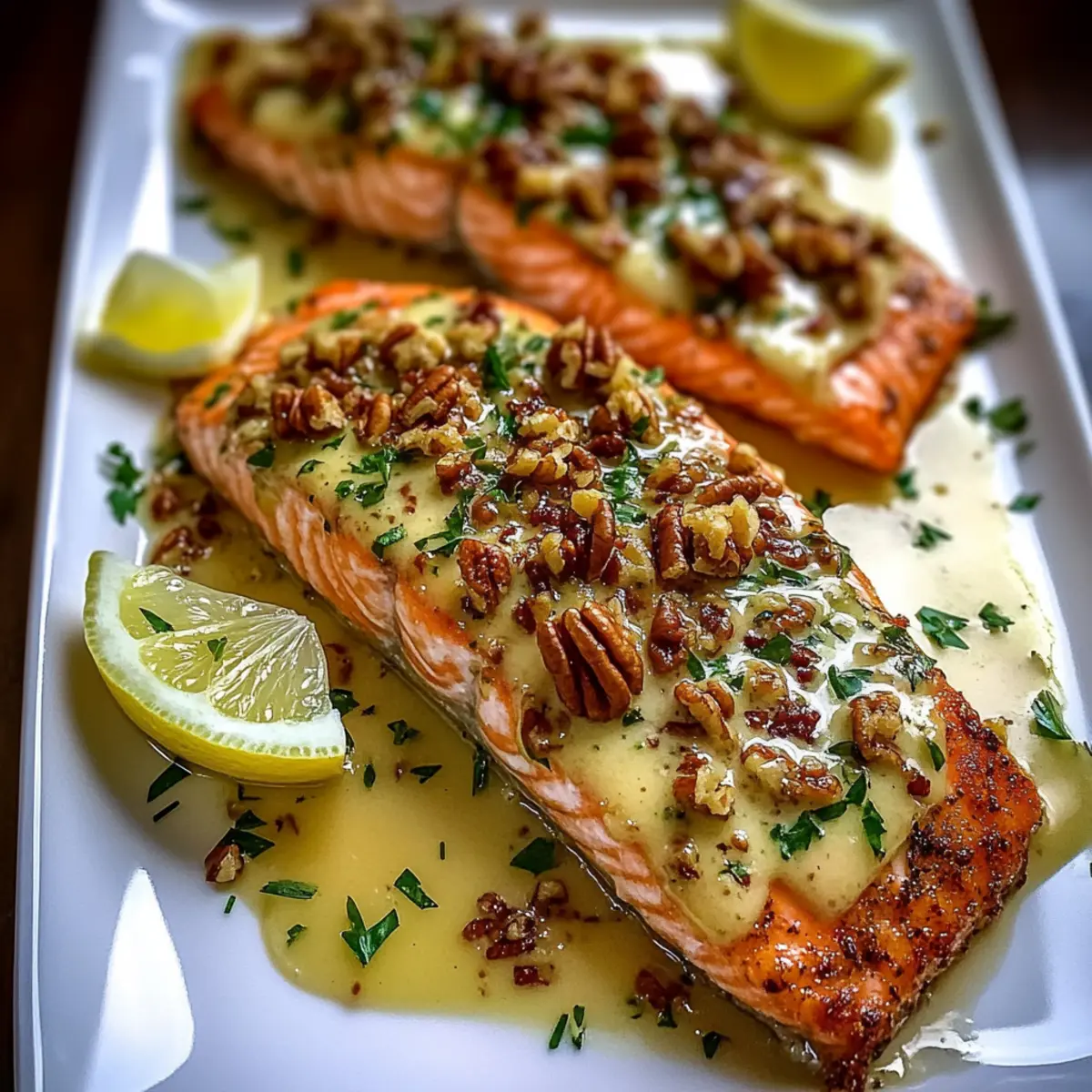
These Baked Dijon Salmon fillets are perfect for meal prep enthusiasts! You can prepare the Dijon glaze and topping up to 24 hours in advance and refrigerate them in separate airtight containers to maintain their quality. Additionally, you can season the salmon fillets and store them in the refrigerator for up to 3 days before cooking, ensuring all the flavors meld beautifully. When you’re ready to serve, simply spread the glaze on the salmon, add the topping, and bake as directed. This saves you precious time during hectic weeknights while still delivering that restaurant-quality dish you’ll love!
Baked Dijon Salmon Recipe FAQs
How do I choose the best salmon for this recipe?
Absolutely! Look for salmon fillets that are vibrant in color, ideally bright pink or orange. They should be moist, not slimy, with a mild ocean smell. Fresh salmon is the best option, but frozen works well too—just ensure it’s completely thawed before cooking.
How should I store leftover Baked Dijon Salmon?
For optimal freshness, store leftover Baked Dijon Salmon in an airtight container in the refrigerator. It will stay delicious for up to 2-3 days. If you’re planning to eat it later, reheat it gently in a 300°F oven to maintain that lovely crunch without drying it out.
Can I freeze Baked Dijon Salmon?
Yes, you can! To freeze, wrap the salmon tightly in plastic wrap and then place it in an airtight container or freezer bag. It keeps well for up to 3 months. When you’re ready to enjoy it again, just thaw it in the fridge overnight before reheating.
What should I do if my salmon turns out dry?
Dry salmon might occur from overcooking; it’s crucial to monitor the timing. Ideally, bake it for 12-15 minutes, checking for flakiness. For extra moisture next time, consider marinating the salmon briefly in lemon juice or adding a splash of broth before baking.
Are there any dietary considerations I should keep in mind?
Of course! If anyone in your household has nut allergies, you can easily substitute the pecans with sunflower seeds or omit nuts entirely. This recipe is naturally gluten-free as long as you use gluten-free bread crumbs. Always ensure the Dijon mustard you choose is also gluten-free.
Can I add vegetables to the baking sheet with the salmon?
Very much! This wonderful dish is versatile. You can add veggies like asparagus, green beans, or cherry tomatoes on the same baking sheet. Just toss them in a little olive oil and season with salt and pepper; they’ll bake beautifully alongside the salmon, creating a complete meal in one go!
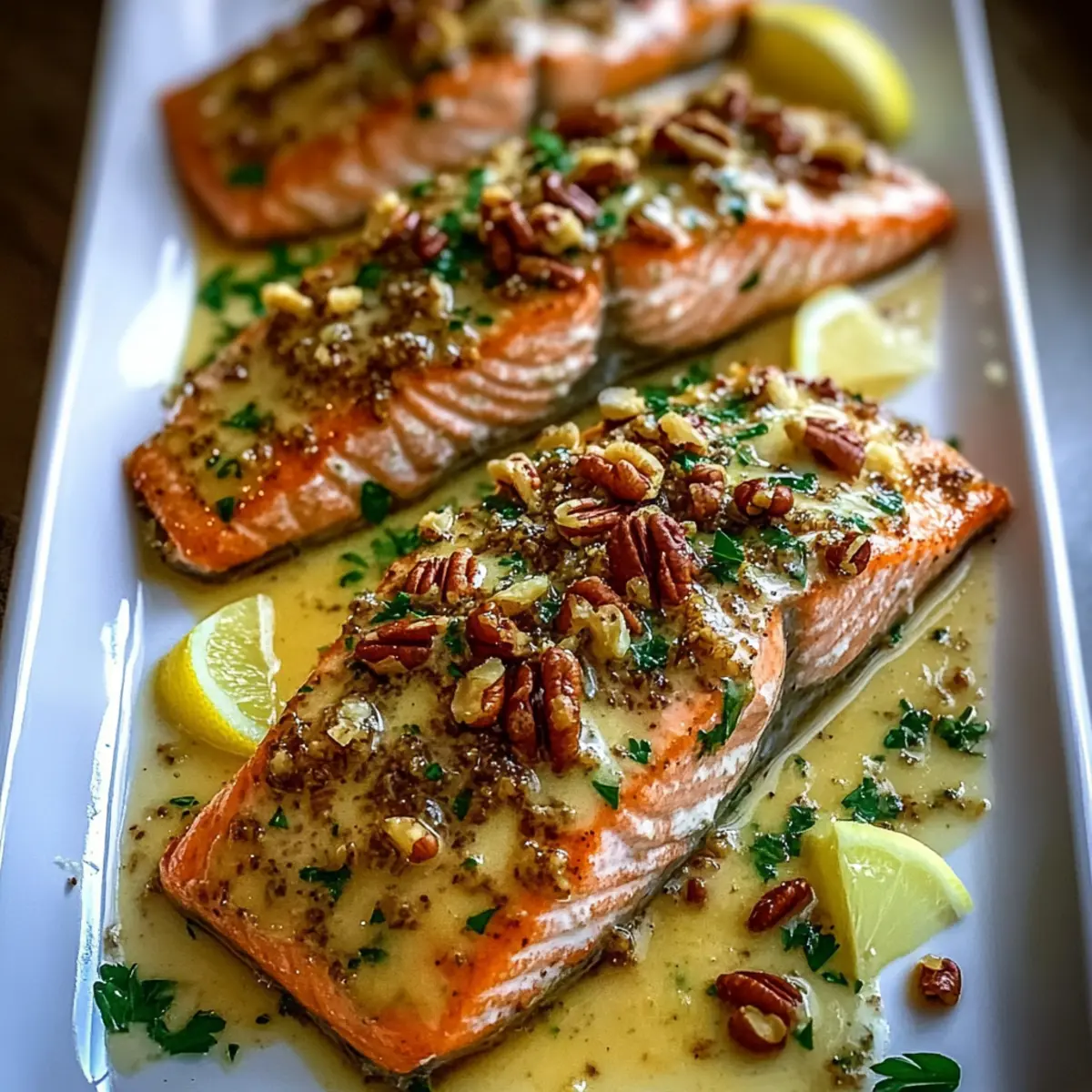
Baked Dijon Salmon: A Quick & Delicious Dinner Delight
Ingredients
Equipment
Method
- Preheat your oven to 400°F (200°C) and prepare the baking sheet by greasing it lightly.
- In a bowl, combine melted butter, Dijon mustard, and honey to form the glaze.
- Mix dry bread crumbs, chopped pecans, and fresh parsley to create the topping.
- Place salmon fillets skin-side down on the baking sheet and season with salt and pepper.
- Spread the Dijon glaze evenly over the salmon fillets.
- Press the breadcrumb and pecan mixture firmly onto the glazed salmon.
- Bake the salmon for 12-15 minutes until golden brown and flaking easily with a fork.
- Garnish with lemon wedges and serve immediately.
Leave a Reply