
While rummaging through my fridge one evening, I stumbled upon a head of cabbage that was just begging to be used. That’s when I remembered the magic of Okonomiyaki, the beloved Japanese cabbage pancake that transforms simple ingredients into something extraordinary. This vegetarian delight is not only quick to whip up—ready in just 20 minutes—but it also doubles as a fun way to clear out any leftover veggies lurking in your kitchen. Packed with protein from eggs and the satisfying crunch of cabbage, this dish is a healthy, clean-eating option that pleases the palate while keeping meal prep uncomplicated. Are you ready to impress your taste buds with this deliciously versatile Japanese cabbage pancake?
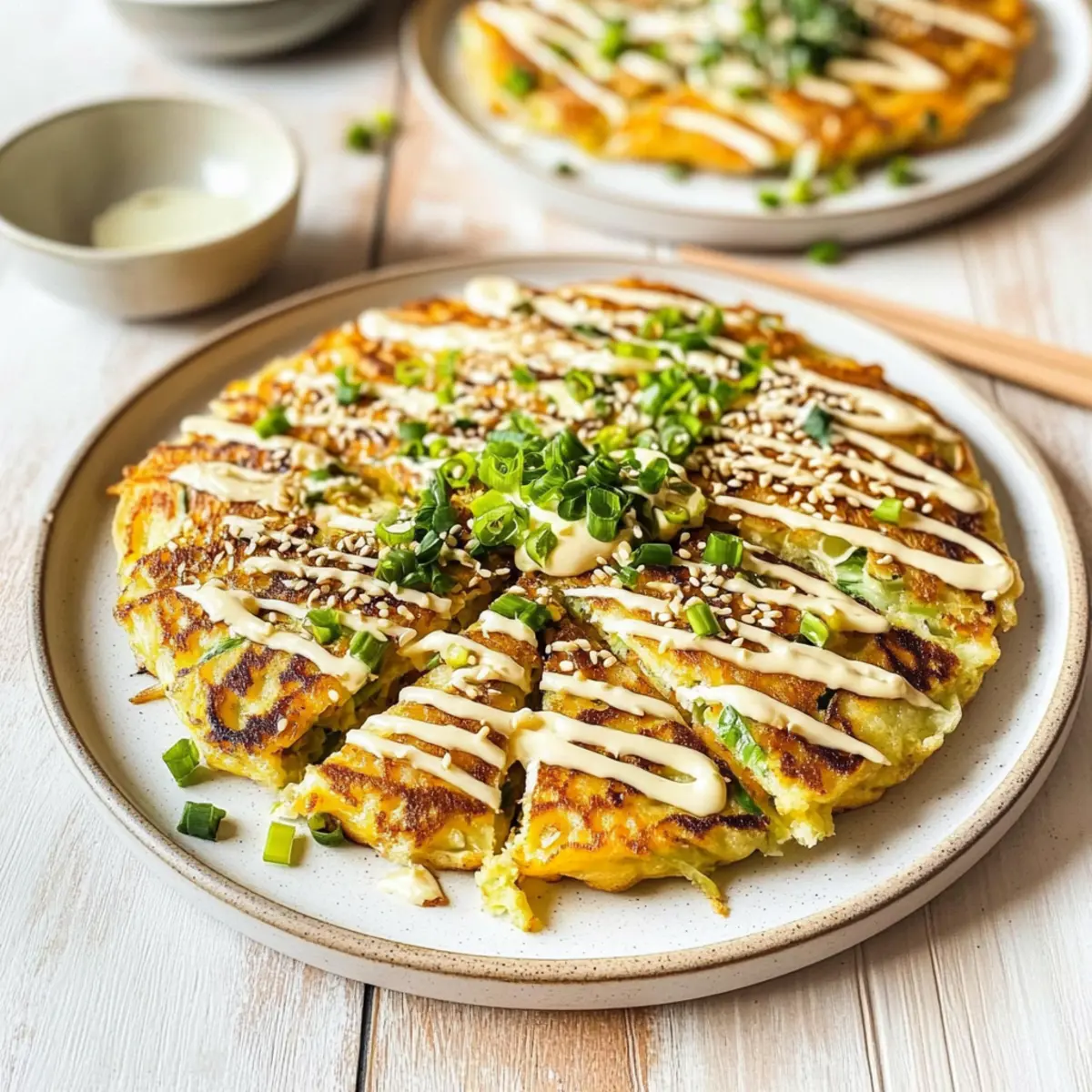
What Makes Japanese Cabbage Pancakes Special?
Simplicity: With just a handful of ingredients, this dish is incredibly easy to prepare, making it a go-to option for busy weeknights.
Flavorful & Versatile: The savory umami from soy sauce combined with freshly shredded veggies offers a delightful taste that can be tailored to your liking.
Quick Cooking: Ready in only 20 minutes, it’s perfect for those days when you crave something delicious but don’t want to spend hours in the kitchen.
Healthy Eating: Low in calories and rich in fiber, this recipe fits seamlessly into a clean-eating lifestyle while providing the nutrients your body needs.
Crowd-Pleasing: Whether you’re serving family or hosting a gathering, these pancakes are sure to delight with their crispy edges and soft interior.
For another quick meal idea, check out my Coffee Pancakes Morning recipe that’s also a breeze to make!
Japanese Cabbage Pancake Ingredients
-
For the Pancakes
-
Cabbage – finely shredded head cabbage provides structure and bulk; pre-shredded coleslaw mix can save time.
-
Carrot – grated for natural sweetness and color; substitute with any grated root vegetable like zucchini.
-
Onion – thinly sliced yellow onion adds depth and moisture; leeks or scallions work well for a milder flavor.
-
Fine-Grain Salt – enhances flavor and helps with vegetable tenderness.
-
Eggs – well beaten, they act as a binder while adding protein and moisture.
-
Light Soy Sauce – introduces umami and saltiness; tamari can be used for a gluten-free alternative.
-
Toasted Sesame Oil – enhances flavor; a good quality vegetable oil can replace it if necessary.
-
All-Purpose Flour – gives structure to the pancakes; gluten-free flour blends can be used for a gluten-free option.
-
Oil for Frying – neutral-flavored cooking oil like canola or sunflower oil is essential for a crispy exterior.
-
For Toppings
-
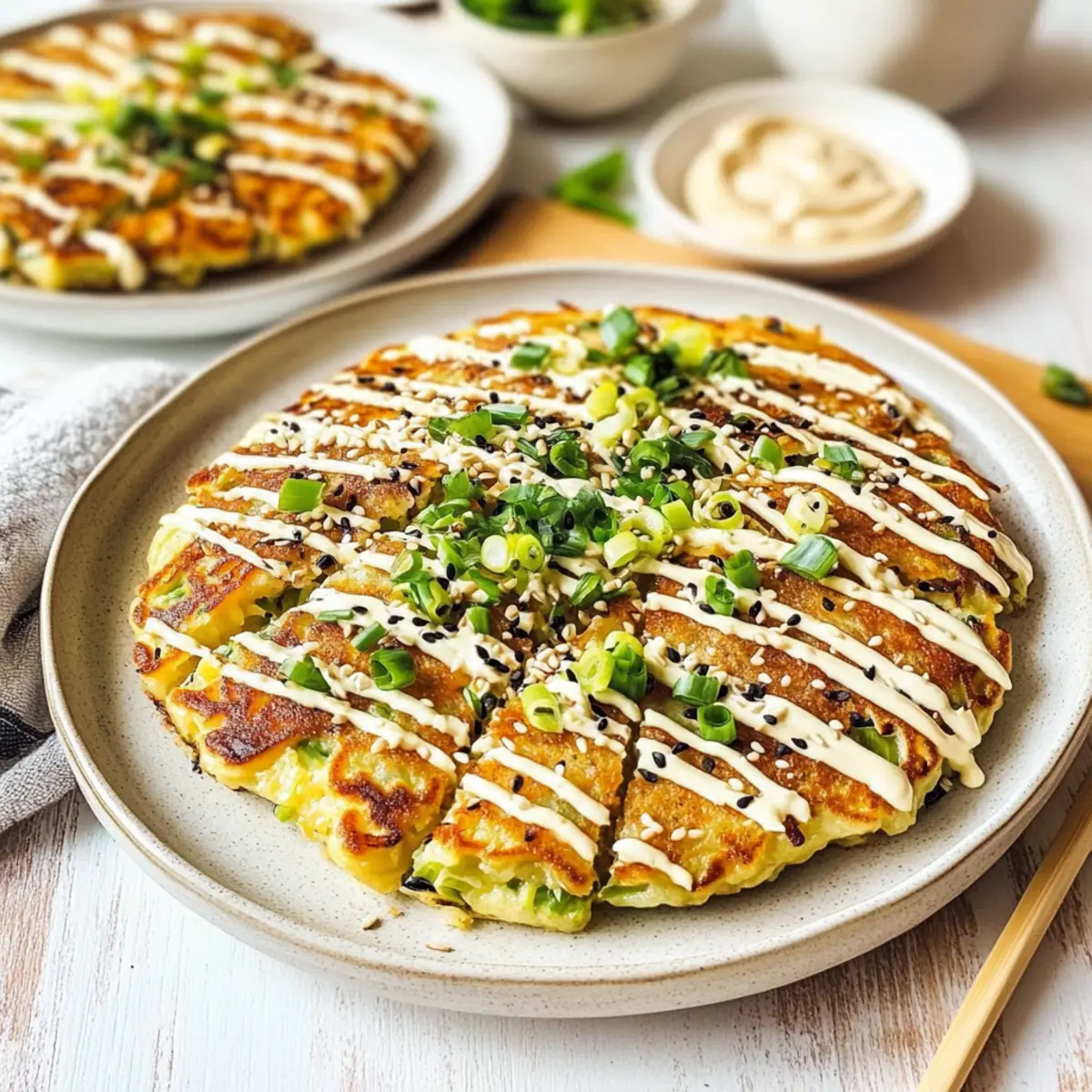
Japanese Mayonnaise – drizzled on top, adds creaminess; you can swap with a yogurt-chili sauce mix for a twist.
-
Pickled Ginger – adds a zingy contrast that complements the pancake.
-
Toasted Sesame Seeds – sprinkle for an added crunch and nutty flavor.
-
Sliced Scallions – brings freshness and color; substitute with chives if preferred.
-
Cilantro – offers a burst of brightness; fresh parsley can also work for those who prefer it.
Transform your ordinary evening into a delightful culinary experience with this flavorful Japanese cabbage pancake!
Step‑by‑Step Instructions for Japanese Cabbage Pancake
Step 1: Prepare Vegetables
Begin by finely shredding the head of cabbage, grating the carrots, and thinly slicing the onions. In a colander, mix the shredded cabbage, grated carrots, and sliced onions with fine-grain salt. Let the mixture sit for about 10 minutes; this will help draw out moisture from the vegetables, ensuring your Japanese cabbage pancake has the right texture.
Step 2: Make Batter
In a separate mixing bowl, whisk together the eggs, light soy sauce, toasted sesame oil, and all-purpose flour. Continue whisking until you achieve a smooth batter with no lumps. This mixture will serve as the delightful base for your pancakes, binding all the ingredients together and creating a rich flavor that perfectly complements the veggies.
Step 3: Combine Ingredients
Once your vegetables have released some water, gently fold the salted mixture into the batter. Ensure that all the cabbage, carrots, and onions are evenly coated with the batter. The combination should feel relatively thick, holding together well, which is essential for forming those yummy Japanese cabbage pancakes during cooking.
Step 4: Heat Skillet
Place a large skillet on medium-high heat and add a couple of tablespoons of neutral cooking oil. Allow the skillet to preheat for about 2 minutes until the oil is shimmering but not smoking. A hot skillet is crucial for achieving that beautiful golden-brown crust on the outside of your Japanese cabbage pancake while keeping the inside tender and fluffy.
Step 5: Cook Pancakes
Pour in the batter to form larger pancakes or use half the batter for medium-sized versions. Cook until the edges turn golden brown and the center starts to bubble, which should take about 5 minutes. For mini pancakes, drop ¼ cup scoops into the skillet and flip them once they’re golden brown on one side, usually after 2-3 minutes.
Step 6: Rest & Serve
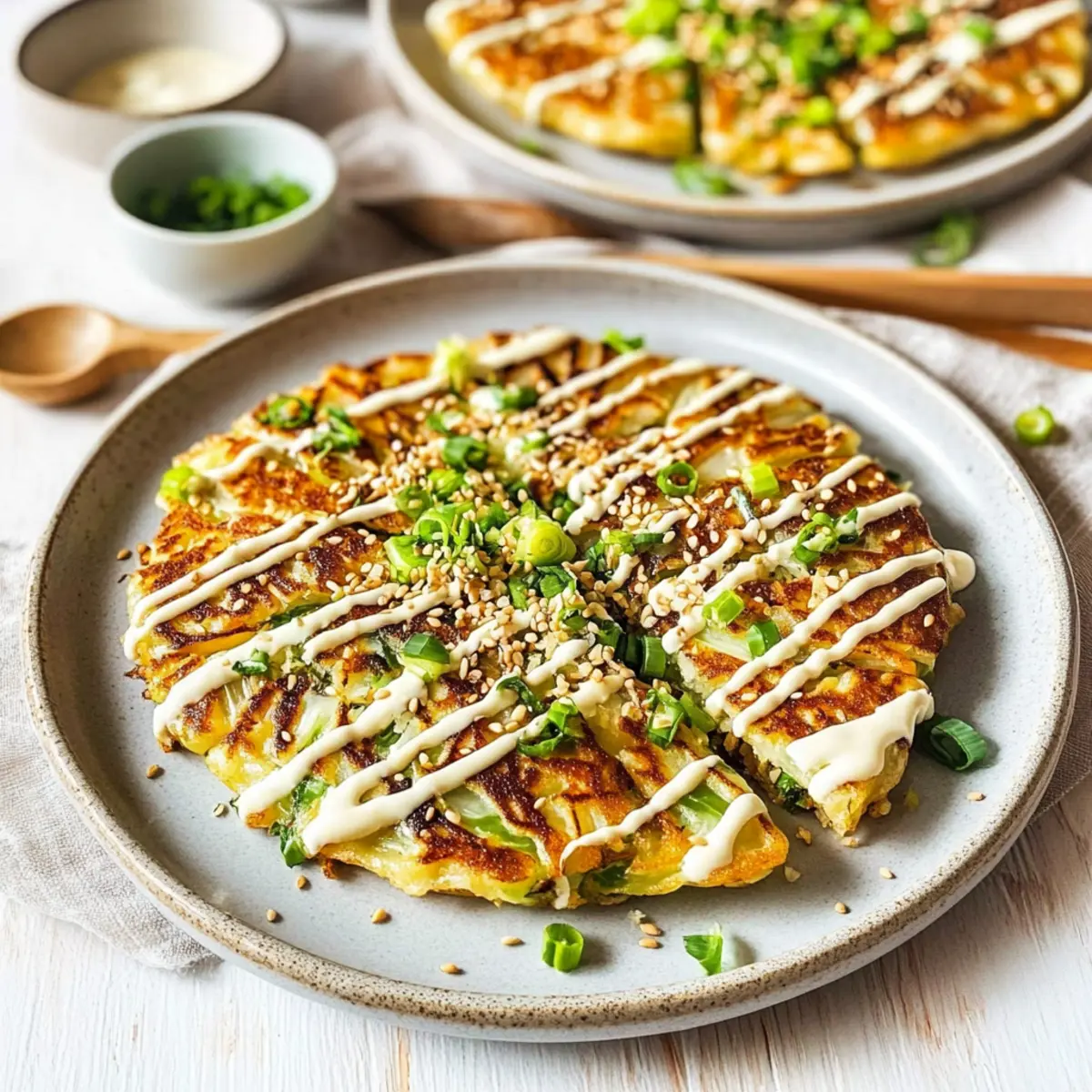
Once cooked, transfer the pancakes to a plate and let them rest for a couple of minutes. This helps them set and makes slicing easier. Cut the pancakes into wedges or serve whole, and are happy to customize toppings like Japanese mayonnaise, pickled ginger, or scallions, making your Japanese cabbage pancake both delicious and visually appealing.
Make Ahead Options
These delicious Japanese cabbage pancakes are perfect for meal prep! You can prepare the shredded cabbage, grated carrots, and sliced onions up to 24 hours in advance by mixing them with salt and storing them in the refrigerator. This step not only saves you time but also helps keep them fresh and flavorful. You can also whisk together the eggs, soy sauce, sesame oil, and flour in a separate container, ready to combine when you’re ready to cook. When you’re prepared to serve, simply fold the vegetables into the batter, cook them up in a hot skillet, and enjoy your healthy, quick meal that’s just as delicious as when made fresh!
Expert Tips for Japanese Cabbage Pancake
-
Egg Beating Matters: Ensure the eggs are beaten well to incorporate air; this creates a fluffier texture in your Japanese cabbage pancake.
-
Watch Your Heat: Cooking on medium heat prevents burning while ensuring an even cook, giving you that perfect golden-brown crust.
-
Don’t Skip the Salt: Allow the salted vegetables to rest; this extracts moisture and helps prevent sogginess in your pancake.
-
Skillet Choice: Use a non-stick or well-seasoned cast iron skillet to avoid sticking, making flipping pancakes a breeze.
-
Veggie Variety: Feel free to experiment with different shredded vegetables like zucchini or spinach for a unique twist on the classic recipe.
Japanese Cabbage Pancake Variations
Customize your Japanese cabbage pancakes to match your cravings or dietary needs, and experience a burst of flavors in every bite!
- Dairy-Free: Substitute eggs with flaxseed meal mixed with water for a plant-based option that’s equally binding.
- Gluten-Free: Switch all-purpose flour for gluten-free flour blends; just ensure you get a mix with xanthan gum for the best texture.
- Extra Veggies: Incorporate shredded zucchini, bell peppers, or even mushrooms to boost flavor and color in your pancakes.
- Spicy Kick: Add finely chopped jalapeños or chili flakes to the batter for a delightful heat that excites the palate.
- Seaweed Twist: Fold in crumbled nori or seaweed flakes, bringing a taste of the ocean to your savory pancakes for added umami.
- Bumping Up the Protein: Mix in some cooked shredded chicken or tofu for a heartier pancake that satisfies hunger cravings.
- New Toppings: Top with avocado slices and a splash of lime juice for a refreshing twist, or try a yogurt-chili sauce blend instead of Japanese mayonnaise for an interesting flavor combo.
- For Sweet Tooth: Go sweet by adding a drizzle of maple syrup or honey alongside your savory toppings for a delightful fusion experience.
For even more delicious breakfast ideas, you might also want to try my Coffee Pancakes Morning or scrumptious Coffee Pancakes Chocolate. Enjoy exploring new flavor combinations with these fabulous variations!
What to Serve with Quick and Easy Okonomiyaki?
Pair your delightful Japanese cabbage pancakes with these fantastic accompaniments for a wholesome meal.
-
Miso Soup: A warm bowl of miso soup offers a comforting umami flavor, perfectly balancing the richness of the pancakes.
-
Chilled Soba Noodles: These nutty, cold noodles add a refreshing touch, making them a delightful contrast to the savory pancakes.
-
Fresh Garden Salad: Crisp greens and vibrant veggies provide a crunchy texture, enhancing the meal’s freshness while lightening the dish.
-
Pickled Vegetables: Their tangy bite complements the savory depth of okonomiyaki, elevating every bite with flavor.
-
Tofu Stir-Fry: Soft, sautéed tofu with seasonal vegetables gives a protein-packed option that marries well with the pancake’s flavors.
-
Japanese Beer or Sake: A chilled beverage will enhance your dining experience, providing a delightful pairing that captures Japanese culinary traditions.
Each of these sides adds a unique twist to your meal, ensuring a memorable culinary experience!
How to Store and Freeze Japanese Cabbage Pancakes
-
Fridge: Keep leftovers in an airtight container for up to 3 days. This helps retain the flavor and texture of your delicious Japanese cabbage pancakes and makes for quick meals throughout the week.
-
Freezer: Wrap pancakes tightly in plastic wrap or place them in a freezer-safe bag. They can be frozen for up to 1 month. This is a great way to enjoy your favorite dish even on busy days!
-
Reheating: Thaw frozen pancakes in the refrigerator overnight. To reheat, gently warm them in a skillet over medium heat for 3-4 minutes on each side, or until heated through. Enjoy them crispy and delicious!
-
Room Temperature: If serving immediately, you can keep freshly cooked pancakes at room temperature for up to 2 hours. This allows for a delightful serving option right after cooking!
Japanese Cabbage Pancake Recipe FAQs
How do I choose the best cabbage for my pancakes?
Absolutely! Look for a head of cabbage that is firm and heavy for its size. The outer leaves should be crisp and free from dark spots. I often opt for savoy cabbage due to its tender leaves, but green or napa cabbage work wonderfully too. Just avoid heads that feel flimsy or have any signs of wilting.
How should I store leftover Japanese cabbage pancakes?
To maintain their deliciousness, store your pancakes in an airtight container in the refrigerator for up to 3 days. This helps keep them fresh, soft, and flavorful. Just remember to cool them down completely before sealing; this prevents condensation which could make them soggy.
Can I freeze Japanese cabbage pancakes for later?
Yes, you can! Wrap each pancake tightly in plastic wrap or place them in a freezer-safe bag, ensuring as much air is removed as possible. They can be frozen for up to 1 month. When you’re ready to enjoy them, simply thaw them overnight in the refrigerator, then reheat in a skillet over medium heat for 3-4 minutes on each side until heated through and crispy.
What can I do if my pancakes turn out too soggy?
Very! If your pancakes are soggy, it might be due to excess moisture from the vegetables. To troubleshoot, ensure you allow the salted vegetable mix to rest for at least 10 minutes before adding it to the batter, and make sure to cook on medium heat. If they still seem wet, feel free to sprinkle in some extra flour to balance out the moisture.
Are Japanese cabbage pancakes suitable for people with gluten allergies?
Absolutely! You can easily make a gluten-free version by substituting all-purpose flour with a gluten-free flour blend. Just ensure that any other ingredients, like soy sauce, are also gluten-free; tamari is a perfect alternative for this!
How long can I keep my pancakes at room temperature?
Once cooked, Japanese cabbage pancakes can be safely kept at room temperature for about 2 hours. This is handy if you’re serving them fresh and want to keep them warm before serving. However, for longer storage, refrigerate to maintain their quality!
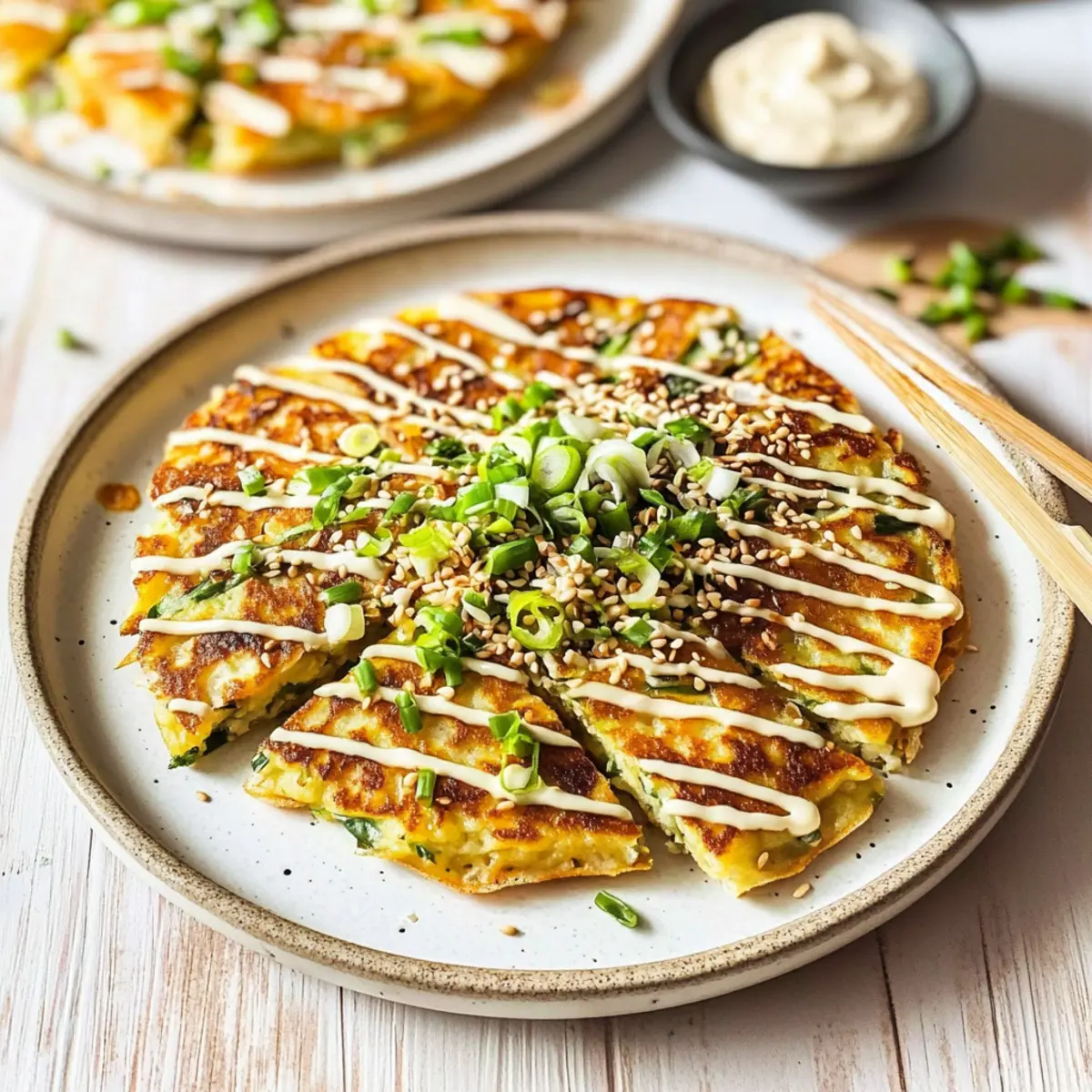
Deliciously Simple Japanese Cabbage Pancake for Quick Meals
Ingredients
Equipment
Method
- Begin by finely shredding the head of cabbage, grating the carrots, and thinly slicing the onions. In a colander, mix the shredded cabbage, grated carrots, and sliced onions with fine-grain salt. Let the mixture sit for about 10 minutes; this will help draw out moisture from the vegetables.
- In a separate mixing bowl, whisk together the eggs, light soy sauce, toasted sesame oil, and all-purpose flour, continuing until you achieve a smooth batter.
- Gently fold the salted vegetable mixture into the batter until all ingredients are evenly coated.
- Place a large skillet on medium-high heat and add a couple of tablespoons of neutral cooking oil. Allow the skillet to preheat for about 2 minutes.
- Pour in the batter to form larger pancakes and cook until the edges turn golden brown and the center starts to bubble, taking about 5 minutes.
- Once cooked, transfer the pancakes to a plate and let them rest for a couple of minutes before serving, customising with toppings like Japanese mayonnaise, pickled ginger, or scallions.
Leave a Reply